
Tips drhomey is the go-to resource for homeowners who want practical, honest, and actionable guidance on improving, decorating, and maintaining their living spaces without unnecessary complexity or inflated budgets. Whether you are a first-time homeowner trying to figure out where to start, or a seasoned DIY enthusiast looking for smarter approaches to renovation and decor, the drhomey philosophy delivers straightforward advice grounded in real-world experience.
Home improvement is one of the most rewarding investments a person can make — not just financially, but in terms of daily comfort, personal expression, and long-term wellbeing. But it can also feel overwhelming. Where do you start? What should you prioritize? How do you avoid costly mistakes?
That is exactly what this guide answers. From decoration fundamentals and smart budgeting to maintenance schedules and room-by-room improvement strategies, these tips drhomey principles give you a clear, practical roadmap for turning your house into the home you have always envisioned.
What Is Drhomey and Why Do Homeowners Trust It?
Before diving into the actionable advice, it is worth understanding what drhomey represents and why the tips drhomey framework has resonated so strongly with homeowners.
Disclaimer: This article is intended for informational purposes and reflects general home improvement, decoration, and maintenance best practices. Costs, regulations, and outcomes vary by location and individual circumstance. Always consult licensed professionals for structural, electrical, plumbing, and other technical work.
Drhomey is a home-focused philosophy and resource built around one core belief: that every homeowner — regardless of budget, experience level, or property size — deserves access to expert-quality guidance on improving their living space.
The name itself blends two ideas:
- Dr — representing expertise, diagnosis, and trusted professional-level advice
- Homey — capturing the warmth, comfort, and personal character that defines a truly great home
Together, tips drhomey is about applying expert knowledge in a warm, accessible, human way. It is not cold, technical instruction — it is the kind of advice you would get from a knowledgeable friend who genuinely wants your home to be the best it can be.
Foundational Home Improvement Tips Drhomey Every Homeowner Should Know
Tip 1: Always Start With a Home Audit
Before spending a single dollar on improvement or decoration, walk through every room of your home with fresh eyes and a notepad. Assess what is working, what is not, what needs urgent attention, and what you simply want to change.
Categorize every item on your list into three buckets:
- Urgent — structural issues, safety concerns, damage that will worsen if ignored
- High priority — things that significantly affect your daily comfort or home value
- Wishlist — improvements you want but can defer without real consequence
This audit becomes the foundation of your entire improvement plan and prevents the scattered, reactive spending that derails most homeowners’ budgets.
Tip 2: Fix Before You Decorate
One of the most important tips drhomey consistently reinforces is this: never decorate over a problem. Painting a wall that has moisture damage, styling a room with a failing HVAC system, or furnishing a space with unresolved structural issues is a waste of money and time.
Always address functional and structural concerns before investing in aesthetics. The order should always be: repair first, improve second, decorate third.
Tip 3: Set a Realistic Budget With a Contingency Buffer
Home improvement projects almost always cost more than the initial estimate. Materials prices fluctuate, unexpected issues emerge once work begins, and scope has a tendency to expand once you get started.
Build a 15–20% contingency buffer into every project budget. On a $10,000 renovation, budget $11,500–$12,000. This buffer is not pessimism — it is the difference between a project that stays on track and one that creates financial stress.
Tip 4: Prioritize High-ROI Improvements First
Not all home improvements deliver equal returns. Tips drhomey consistently directs homeowners toward upgrades that deliver the strongest combination of financial ROI and quality of life improvement.
The highest-performing improvements include:
- Kitchen updates — even minor refreshes like new hardware, paint, and updated lighting deliver strong returns
- Bathroom improvements — updated fixtures, re-grouting, and vanity replacements transform bathrooms affordably
- Curb appeal — fresh exterior paint, new front door, and landscaping consistently return 80–100% of their cost
- Energy efficiency upgrades — insulation, windows, and smart thermostats reduce monthly bills while adding value
- Garage door replacement — repeatedly ranked as the single highest-ROI home improvement project
Tip 5: Learn What You Can DIY and What You Cannot
DIY home improvement is one of the most effective ways to stretch a renovation budget — but it comes with important limitations. Tips drhomey is straightforward about this: some tasks are genuinely DIY-friendly, and others require licensed professionals for safety and legal reasons.
DIY-friendly tasks:
- Painting walls and ceilings
- Installing light fixtures (after turning off the breaker)
- Laying peel-and-stick tile or luxury vinyl plank flooring
- Assembling and installing flat-pack furniture
- Basic landscaping and garden maintenance
- Caulking, patching small holes, and minor cosmetic repairs
Always hire a professional for:
- Electrical panel work and rewiring
- Plumbing beyond basic fixture replacement
- Structural modifications including wall removal
- Roof replacement and major roofing repairs
- HVAC installation and major system work
- Any work requiring a permit in your municipality
Home Decoration Tips Drhomey: Making Every Room Feel Intentional
Great home improvement is about more than fixing what is broken — it is about creating spaces that feel beautiful, personal, and genuinely enjoyable to live in. Here are the decoration tips drhomey recommends for every room type.
The Power of Paint: Your Highest-ROI Decoration Tool
If tips drhomey had to identify a single decoration investment that delivers the most value per dollar, it would always be paint. A fresh coat of the right color transforms a room more dramatically than almost any other change — and at a fraction of the cost of new furniture or fixtures.
Key painting principles:
Choose your paint last. Select furniture, textiles, and flooring first — then find a paint color that ties everything together. It is far easier to match paint to fabric than fabric to paint.
Sample before you commit. Paint a 12-by-12-inch swatch on the actual wall and observe it at different times of day and under different lighting conditions before purchasing full quantities.
Finish matters as much as color. Flat and matte finishes suit ceilings and low-traffic walls. Eggshell and satin are ideal for living rooms and bedrooms. Semi-gloss and gloss perform best in kitchens, bathrooms, and on trim work where washability matters.
Do not neglect the ceiling. Painting the ceiling a slightly lighter version of the wall color — or a warm white that complements it — creates a cohesive, enveloping effect that flat brilliant white ceilings cannot achieve.
Lighting: The Element That Changes Everything
Tips drhomey places lighting at the top of every decoration priority list because it is the element most homeowners underinvest in — and the one that makes the most dramatic difference when done correctly.
Every room should have three layers of lighting:
Ambient lighting provides general illumination across the whole space. This is typically the ceiling fixture — an overhead light, recessed lights, or a chandelier. Most homes are adequately served at this layer but severely lacking in the other two.
Task lighting serves specific functional activities — reading, cooking, working, applying makeup. Floor lamps beside reading chairs, pendant lights over kitchen islands, desk lamps in home offices, and vanity lighting in bathrooms all serve task functions.
Accent lighting creates visual drama and highlights architectural features or artwork. Picture lights, under-cabinet strips, shelf lighting, and candles all serve accent roles. This layer is what gives a professionally decorated room its distinctive warmth and depth.
Upgrading lighting fixtures is one of the most impactful budget home improvements available. Replacing a basic builder-grade ceiling light with a statement pendant or semi-flush fixture in the $80–$200 range can completely redefine a room’s character.
Furniture Arrangement: Getting It Right Before Buying Anything New
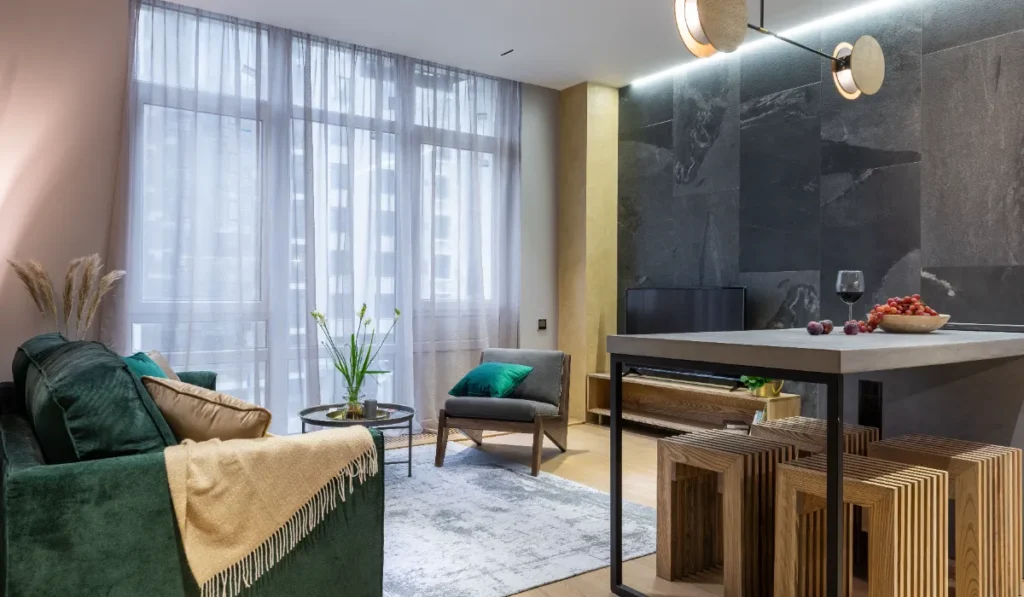
One of the most valuable tips drhomey offers on decoration costs nothing at all — rearrange your existing furniture before purchasing anything new. The majority of rooms that feel wrong are simply arranged incorrectly rather than insufficiently furnished.
Core furniture arrangement principles:
Create conversation zones. In a living room, arrange seating so that people naturally face each other — not just the television. A sofa and two chairs positioned around a central coffee table creates an inviting, socially connected space.
Respect traffic flow. Leave at least 36 inches of clearance on main pathways through a room. Furniture that blocks natural movement creates unconscious tension and makes a room feel cramped regardless of its actual size.
Float furniture away from walls. Pushing every piece of furniture against the perimeter wall is one of the most common arrangement mistakes. Floating furniture toward the center of a room — even slightly — creates a more intimate, cohesive grouping.
Establish a clear focal point. Every room needs one visual anchor — a fireplace, a large piece of art, a statement headboard, or a beautifully styled shelving unit. Orient your furniture arrangement around this focal point.
Textiles and Layering: Adding Depth and Warmth
Textiles — rugs, curtains, throw pillows, blankets, and upholstery — are among the most powerful and affordable decoration tools available. Tips drhomey consistently highlights textile layering as one of the fastest ways to transform a space from feeling bare and unfinished to warm and complete.
Rugs anchor and define. In a living room, the rug should be large enough for at least the front legs of all seating furniture to rest on it. An undersized rug is one of the most common and visually disruptive decoration mistakes.
Curtains should be hung high and wide. Mount curtain rods 4–6 inches above the window frame — ideally close to the ceiling — and extend them 6–12 inches beyond the window on each side. This makes windows appear larger and ceilings feel taller.
Layer your throw pillows. Combine pillows in varying sizes, textures, and patterns within your color palette. A mix of a solid, a pattern, and a textured pillow in complementary colors creates visual interest without chaos.
Room-by-Room Home Improvement Tips Drhomey
Kitchen Improvement Tips
The kitchen is the most impactful room to improve in any home — both for daily enjoyment and resale value. Tips drhomey kitchen priorities:
- Repaint or reface cabinets before replacing them — the cost difference is dramatic and the visual result is nearly identical
- Upgrade hardware — new cabinet pulls and handles cost $2–$8 per piece and take minutes to install, yet completely modernize the feel of dated cabinetry
- Improve lighting — add under-cabinet task lighting and replace a basic overhead fixture with a pendant or semi-flush statement piece
- Update the backsplash — peel-and-stick tile options make this a genuinely DIY-friendly project with impressive visual results
- Declutter countertops — remove everything that does not earn its place; clear countertops make kitchens feel larger and cleaner instantly
Bathroom Improvement Tips
Bathrooms deliver strong returns on relatively modest investments. Key tips drhomey bathroom priorities:
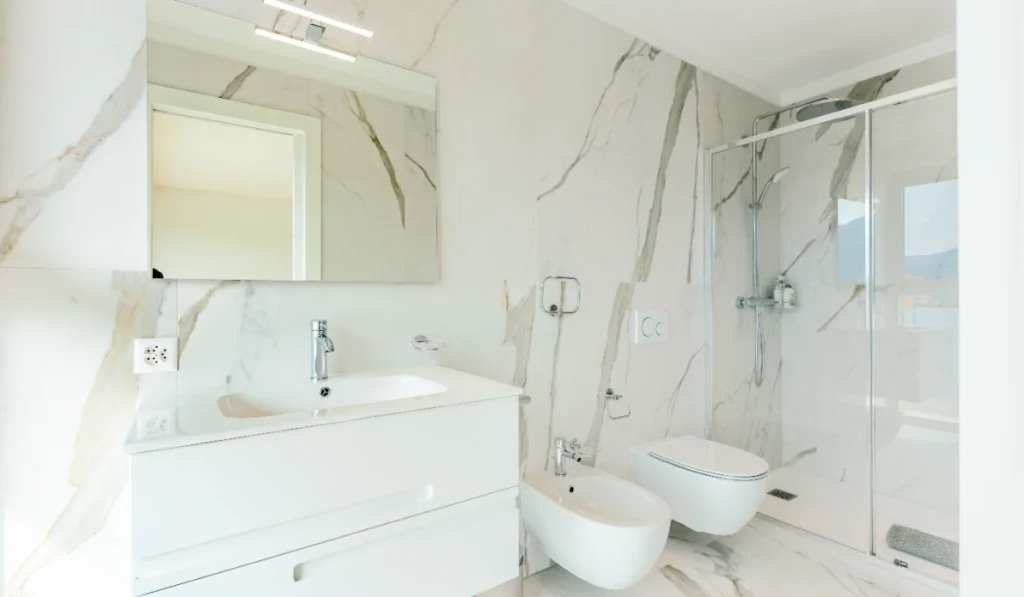
- Re-grout and recaulk before considering any other updates — clean grout lines make an entire bathroom look refreshed
- Replace the vanity mirror — an oversized or decoratively framed mirror is an immediate upgrade over a basic builder mirror
- Upgrade fixtures — a new faucet, towel bars, and toilet paper holder in a cohesive finish (matte black, brushed nickel, or brushed gold) unify the space
- Add storage — a floating shelf, over-toilet storage unit, or woven basket arrangement addresses clutter while adding decorative texture
- Introduce a plant — a small pothos or fern thrives in bathroom humidity and brings life to what is often the most sterile room in a home
Bedroom Improvement Tips
The bedroom is your personal sanctuary — the room that most directly affects sleep quality, morning mood, and overall wellbeing. Tips drhomey bedroom priorities:
- Invest in quality bedding — high thread-count sheets and a well-chosen duvet make an immediate, dramatic difference in how a bedroom looks and how you sleep
- Layer your lighting — add bedside lamps for warm, low-level evening light and consider a dimmable overhead fixture for flexible ambiance
- Create a headboard moment — a statement headboard, a gallery wall above the bed, or a large piece of art serves as the room’s focal point and grounds the entire space
- Control morning light — blackout curtains or layered window treatments are among the highest-impact bedroom improvements for sleep quality
- Minimize surfaces — keep bedside tables intentionally simple; clutter beside the bed disrupts the calm a bedroom should deliver
Living Room Improvement Tips
The living room is the heart of home social life and the room guests experience most. Tips drhomey living room priorities:
- Define the space with a rug — the right rug in the right size immediately makes a living room feel complete and intentional
- Create layered lighting — combine overhead ambient light with floor lamps, table lamps, and candles for flexible, warm evening ambiance
- Edit your accessories — remove half of what is currently on display; live with the edited version for a week, then only return the pieces you genuinely miss
- Add greenery — a mix of large-floor plants and smaller tabletop varieties brings warmth, life, and color to a living room in a way no purchased decoration can replicate
- Style your bookshelves — mix books with objects, vary heights, and include one or two plants; a well-styled bookshelf is one of the most characterful features a living room can have
Home Maintenance Tips Drhomey: Protecting Your Investment
Great home improvement is not just about upgrades — it is about maintaining what you have. Tips drhomey includes a strong maintenance philosophy because deferred maintenance always costs more than preventive care.
Seasonal Maintenance Checklist
Spring:
- Inspect roof for winter damage
- Clean gutters and downspouts
- Service air conditioning before summer heat
- Check exterior caulking and sealants around windows and doors
- Test smoke and carbon monoxide detectors
Summer:
- Check and treat deck or patio surfaces
- Inspect and clean dryer vent
- Monitor for signs of pest activity
- Service irrigation systems if applicable
Fall:
- Service heating system before winter
- Drain and store outdoor hoses
- Inspect weatherstripping on doors and windows
- Clean gutters after leaves fall
- Check insulation in attic and crawl spaces
Winter:
- Know the location of your main water shutoff valve
- Keep cabinet doors open under sinks during extreme cold to prevent pipe freezing
- Check and replace furnace filters monthly during heavy use
- Inspect for ice dams on roof edges after heavy snowfall
Quick-Answer Section
What are tips drhomey? Tips drhomey are practical, expert-level home improvement, decoration, and maintenance guidelines designed to help homeowners improve their living spaces effectively, affordably, and with genuine long-term results.
What home improvement should I do first? Always address structural and safety issues first — roof, foundation, electrical, and plumbing. Then move to energy efficiency upgrades, followed by kitchen and bathroom improvements, and finish with cosmetic and decorative updates.
How do I improve my home on a tight budget? Focus on high-impact, low-cost improvements — fresh paint, lighting upgrades, furniture rearrangement, hardware replacement, and adding plants and textiles. These deliver dramatic results for relatively modest investment.
What is the most important room to improve in a home? The kitchen consistently delivers the highest ROI on improvement investment. However, the bedroom has the greatest impact on daily wellbeing and quality of life.
How often should I do home maintenance? Seasonal maintenance checks — four times per year — cover the majority of preventive care needs. Additionally, monthly checks of high-wear items like HVAC filters and smoke detector batteries keep systems running efficiently.
Common Home Improvement Mistakes Tips Drhomey Helps You Avoid
Skipping the planning phase — jumping straight into purchases or contractor calls without a clear plan leads to scope creep, budget overruns, and results that do not match the original vision.
Underestimating project costs — always get multiple quotes and add a contingency buffer. The cheapest quote is rarely the best value.
Ignoring permits — unpermitted work creates problems at resale, can void insurance claims, and may require costly demolition to correct. Always verify permit requirements before beginning structural or systems work.
Prioritizing trends over timelessness — trend-driven choices date quickly. Invest in timeless foundations and use easily replaceable elements like throw pillows, artwork, and accessories to incorporate current trends.
Doing everything at once — tackling multiple major projects simultaneously strains budget, disrupts daily life, and reduces the quality of oversight on each individual project. Phase your improvements deliberately.
Final Thoughts
Your home is more than a financial asset — it is the environment in which you live your daily life, raise your family, rest, create, and connect with the people who matter most to you. The quality of that environment matters enormously.
Tips drhomey exists to make expert-level home guidance genuinely accessible — removing the overwhelm, the guesswork, and the expensive mistakes that so often accompany home improvement. Whether you are fixing, upgrading, decorating, or simply maintaining what you have, the drhomey approach gives you the knowledge and confidence to do it right.
Start with the audit. Plan before you spend. Prioritize function before aesthetics. Invest in lighting, paint, and quality basics. Maintain consistently. And remember that the best home is not the most expensive one — it is the one most thoughtfully and lovingly made your own.
FAQ’s
How do I start a home improvement project as a complete beginner?
Begin with a thorough home audit to identify priorities. Choose one manageable project to start — ideally something with high visual impact and low risk, like painting a room. Complete it fully before moving to the next. Early wins build confidence and momentum.
What is the best way to find reliable contractors?
Ask for personal recommendations from neighbors, friends, or family who have had similar work done. Check reviews on platforms like Houzz, Angi, or Google. Always get at least three written quotes, verify licensing and insurance, and never pay more than 30% upfront.
How do I make a small home feel bigger?
Use light colors, maximize natural light, choose furniture with legs, use mirrors strategically, reduce clutter, and ensure every piece of furniture is appropriately scaled to the room. Vertical design elements — tall shelving, floor-to-ceiling curtains — also create the impression of greater height and space.
Is it worth renovating before selling a home?
Strategic pre-sale renovations — fresh paint, updated fixtures, curb appeal improvements, and deep cleaning — consistently deliver strong returns. Avoid major structural renovations immediately before sale as the timeline rarely allows full value recovery.
How do I choose a color palette for my home?
Start by identifying the fixed elements you cannot change — flooring, tile, existing furniture you plan to keep. Build your palette around those anchors. Choose a dominant neutral, a complementary secondary color, and one accent tone. Apply consistently across connected spaces for a cohesive whole-home feel.
What are the best plants for home decoration?
Pothos and snake plants thrive in low light and are nearly indestructible — ideal for beginners. Fiddle leaf figs and monsteras make dramatic statement plants in bright spaces. Peace lilies and ferns perform well in humid bathroom environments. ZZ plants handle neglect better than almost any other houseplant.