How to Be Better at Interior Design Mintpaldecor is often mistaken for simply choosing attractive furniture or matching colors, but it is much more than that. Great interior design combines functionality, comfort, aesthetics, and personal expression to create spaces that improve everyday living. Whether you are decorating your first apartment, renovating a family home, or simply looking to improve your design skills, understanding the fundamentals can make a significant difference. The good news is that interior design is not a talent reserved for professionals—it is a skill that can be learned and improved over time. With the right knowledge and consistent practice, anyone can create spaces that feel both beautiful and practical.
In today’s world, interior design has become increasingly important because people spend more time at home than ever before. A thoughtfully designed room can influence mood, productivity, relaxation, and even overall well-being. Studies in environmental psychology have shown that our surroundings affect how we think, feel, and interact with others. This means that improving your interior design skills is not only about making your home look better but also about creating an environment that supports your lifestyle. Understanding how design works can help you make smarter decorating decisions and avoid costly mistakes.
How to Be Better at Interior Design Mintpaldecor guide will teach you the principles that professional designers use to create balanced, attractive, and functional spaces. You will learn how to work with color, furniture placement, lighting, scale, texture, and room layouts. In addition, you’ll discover common mistakes beginners make and how to avoid them. By the end of this guide, you will have a practical framework that can be applied to virtually any room in your home.
Quick Answer: How Can You Become Better at Interior Design?
The fastest way for how to be better at interior design mintpaldecor is to learn the core design principles, study professionally designed spaces, and consistently practice applying those concepts in your own home. Successful interior designers understand how balance, proportion, color, lighting, and functionality work together to create cohesive environments. Instead of copying trends blindly, they focus on creating spaces that meet the needs of the people who use them. Developing a good design eye takes time, but every project helps build experience and confidence. By combining education, observation, and hands-on experimentation, anyone can significantly improve their interior design skills.
Key Areas to Focus On
Understanding design principles
Learning color theory
Improving space planning
Developing a personal design style
Mastering lighting techniques
Using texture and materials effectively
Practicing furniture arrangement
Studying professionally designed interiors
Why Learning Interior Design Matters
Many people assume interior design is purely about appearance, but its impact extends far beyond aesthetics. A well-designed room supports daily activities, improves comfort, and helps occupants feel more relaxed and organized. Poor design choices, on the other hand, can make even large spaces feel cramped, cluttered, or uncomfortable. This is why professional designers spend so much time planning layouts and considering how people interact with a space before selecting decorative elements.
Good interior design can also increase the value of a property. Real estate professionals consistently report that attractive, functional interiors help homes sell faster and often command higher prices. Buyers are naturally drawn to spaces that feel welcoming, organized, and easy to live in. Even small improvements such as better lighting, thoughtful furniture placement, and updated color schemes can significantly enhance a home’s appeal. Learning these skills provides benefits whether you plan to stay in your home for years or eventually sell it.
Another reason of how to be better at interior design mintpaldecor matters is that it affects emotional well-being. The colors, textures, lighting conditions, and overall atmosphere of a room can influence mood and behavior. Bright, open spaces often promote energy and productivity, while softer environments encourage relaxation and comfort. Understanding these psychological effects allows you to intentionally design rooms that support your goals and lifestyle. This is one of the reasons interior design is both an art and a science.
Principles of How to be Better at Interior Design Mintpaldecor
Before choosing paint colors or purchasing furniture, it is important to understand the foundational principles that guide professional interior design. These principles help create spaces that feel visually balanced and cohesive rather than random or chaotic. While design trends may change over time, the fundamental rules remain largely the same. Learning these concepts provides a framework that can be applied to any design style, from traditional and farmhouse to modern and minimalist.
Professional designers rarely make decisions based solely on personal preference. Instead, they evaluate how each element contributes to the overall composition of the room. Every furniture piece, lighting fixture, color choice, and decorative accessory plays a role in achieving harmony. When these elements work together effectively, the result is a space that feels intentional and inviting. Understanding these principles is one of the most important steps toward becoming better at interior design.
Balance: Creating Visual Stability
Balance refers to the distribution of visual weight throughout a room. When balance is achieved, a space feels comfortable and stable because no single area dominates the composition. Rooms that lack balance often feel awkward, cluttered, or incomplete, even when they contain attractive furniture and decorations. Achieving balance requires considering the size, shape, color, and placement of various elements within a space.
There are three primary types of balance used in how to be better at interior design mintpaldecor: symmetrical, asymmetrical, and radial balance. Symmetrical balance is commonly found in traditional interiors and involves mirroring objects on either side of a central point. Asymmetrical balance creates a more relaxed and contemporary appearance by using different elements that carry similar visual weight. Radial balance organizes furniture and decor around a central focal point, such as a round dining table or statement chandelier. Understanding when and how to use each type can significantly improve the visual harmony of your rooms.
Proportion and Scale: Making Everything Fit Together
One of the most common mistakes beginners make is choosing furniture and décor that are either too large or too small for the room. Proportion refers to the relationship between different objects within a space, while scale refers to how those objects relate to the size of the room itself. Even expensive furniture can look out of place if its dimensions are not appropriate for the surrounding environment. Professional designers pay close attention to these relationships because they significantly affect how comfortable and visually appealing a room feels.
For example, placing a large sectional sofa in a small apartment living room can make the space feel crowded and difficult to navigate. Conversely, using tiny furniture in a spacious room often creates an empty and disconnected appearance. To achieve proper scale, measure your room carefully before making major purchases and consider how furniture will interact with architectural features such as windows, doors, and built-in elements. Creating a floor plan can help you visualize the arrangement and avoid costly mistakes before buying furniture.
A practical rule is to leave enough space for movement throughout the room. Walkways should generally be at least 30 to 36 inches wide, while coffee tables should sit approximately 16 to 18 inches from seating areas. These measurements help create a balanced layout that feels both functional and visually pleasing. Paying attention to proportion and scale can instantly make a room appear more professionally designed.
Rhythm: Guiding the Eye Through a Room
Rhythm is a design principle that helps create visual movement within a space. Just as rhythm in music guides listeners through a song, visual rhythm guides the eye through a room. Designers achieve this effect by repeating colors, patterns, shapes, textures, or materials throughout a space. The goal is to create a sense of continuity that makes the room feel connected rather than fragmented.
For example, a designer might repeat black accents through picture frames, lighting fixtures, cabinet hardware, and decorative accessories. These repeated elements encourage the eye to move naturally around the room while reinforcing a cohesive design theme. Without rhythm, a space can feel disorganized because there is no clear visual connection between its components.
Creating rhythm does not mean everything must match perfectly. In fact, overly matching interiors can sometimes feel flat and uninspiring. Instead, focus on repeating key design elements in subtle ways that support the overall aesthetic. This approach creates visual interest while maintaining harmony throughout the room.
Emphasis: Creating a Strong Focal Point
Every well-designed room benefits from having a focal point that immediately captures attention. A focal point gives the eye a place to rest and helps organize the visual hierarchy of the space. Without one, a room can feel confusing because nothing stands out as the primary feature. Professional designers often identify the focal point before making other decorating decisions.
Natural focal points may already exist within a room. Fireplaces, large windows, exposed brick walls, and dramatic architectural details often serve this purpose naturally. When no obvious focal point exists, designers create one using large artwork, statement lighting fixtures, accent walls, or carefully styled furniture arrangements. The focal point should reflect the room’s purpose while enhancing its overall design.
Once a focal point is established, other elements should support rather than compete with it. This does not mean the rest of the room should be boring, but rather that secondary features should complement the main attraction. Maintaining a clear visual hierarchy helps create a balanced and intentional design that feels polished and professional.
Learning Color Theory Like a Professional Designer
Color is one of the most influential tools in how to be better at interior design mintpaldecor because it directly affects mood, perception, and atmosphere. The right color palette can make a room feel larger, brighter, warmer, or more relaxing, while poor color choices can create visual discomfort and imbalance. Understanding basic color theory allows you to make informed decisions rather than relying solely on personal preference. Even a simple understanding of how colors interact can dramatically improve your design results.
Many beginners select colors based on individual items they like without considering how those colors will work together throughout the room. Professional designers take a broader approach by developing cohesive palettes that support the intended mood and function of the space. They consider factors such as natural light, room size, existing materials, and the psychological effects of color. Learning these concepts helps create interiors that feel intentional and harmonious.
Color theory also provides a framework for experimenting with different styles and aesthetics. Whether you prefer modern minimalism, traditional elegance, or eclectic bohemian design, understanding color relationships will help you create more successful combinations. This knowledge serves as a foundation for nearly every decorating decision you make.
Understanding the Color Wheel
The color wheel is one of the most valuable tools for creating balanced color schemes in how to be better at interior design mintpaldecor. It organizes colors based on their relationships and helps designers identify combinations that naturally work well together. By understanding the color wheel, beginners can move beyond guesswork and make more confident design decisions. It serves as a practical guide for developing harmonious palettes across a wide range of design styles.
Complementary colors sit opposite each other on the wheel and create strong visual contrast. Examples include blue and orange, yellow and purple, or red and green. These combinations can add energy and excitement to a room when used thoughtfully. However, because they create strong contrast, they are often most effective when one color dominates and the other serves as an accent.
Analogous color schemes use colors that sit next to each other on the wheel, such as blue, teal, and green. These combinations create a more calming and cohesive appearance because the colors share similar characteristics. Monochromatic schemes, which use different shades and tones of a single color, offer another elegant option. Each approach can be highly effective when applied appropriately.
The 60-30-10 Rule
One of the simplest ways to create a balanced color palette is by following the 60-30-10 rule. This guideline helps distribute colors throughout a room in a way that feels organized and visually appealing. Professional designers frequently use this principle because it prevents any single color from overwhelming the space. It also makes color selection much easier for beginners.
Under this rule, approximately 60 percent of the room should feature the dominant color, which is typically used on walls or large furniture pieces. About 30 percent should consist of a secondary color that provides contrast and support. The remaining 10 percent should be an accent color used in accessories, artwork, or decorative details. This balanced distribution creates depth and visual interest without making the room feel chaotic.
For example, a living room might feature warm beige walls as the dominant color, navy-blue furniture as the secondary color, and gold accents through lighting and décor. This combination creates contrast while maintaining harmony. The 60-30-10 rule is versatile and can be adapted to virtually any design style or color palette.
Many people focus on decorating before addressing room layout, but space planning is actually one of the most important aspects of interior design mintpaldecor. A beautiful room can still feel uncomfortable if furniture placement interferes with movement or functionality. Professional designers begin every project by evaluating how people will use the space and arranging furniture accordingly. This approach ensures that aesthetics and practicality work together.
Space planning involves more than simply fitting furniture into a room. It requires considering traffic flow, conversation areas, focal points, storage needs, and daily activities. Every room should support its intended purpose while remaining comfortable and easy to navigate. When layout decisions are made thoughtfully, even modest spaces can feel larger and more functional.
Good space planning can also help maximize natural light and improve the overall atmosphere of a room. Strategic furniture placement allows light to travel freely and prevents important architectural features from being blocked. These details often separate amateur how to be better at interior design mintpaldecor.
Start with Function Before Decoration
Before choosing colors, furniture, or accessories, determine exactly how the room will be used. A family living room has different requirements than a formal sitting room, just as a home office differs from a guest bedroom. Understanding the room’s primary purpose helps guide every design decision that follows. Function should always be the foundation upon which aesthetics are built.
Consider the activities that will take place in the space on a daily basis. Think about who will use the room, how often it will be used, and what furniture or storage solutions are necessary. These practical considerations help ensure that the final design supports real-life needs rather than simply looking attractive in photographs. Rooms that prioritize functionality tend to remain useful and enjoyable for years.
Professional designers often ask clients detailed questions about their lifestyle before developing a design plan. Adopting a similar mindset can help homeowners create spaces that genuinely improve everyday living. When function comes first, decorating decisions become more purposeful and effective.
Creating Effective Traffic Flow
Traffic flow refers to how easily people can move through a room without encountering obstacles or awkward furniture arrangements. It is one of the most overlooked aspects of how to be better at interior design mintpaldecor, yet it has a major impact on comfort and usability. Even a beautifully decorated room can feel frustrating if people constantly have to walk around furniture or squeeze through narrow pathways. Good traffic flow allows occupants and guests to move naturally throughout the space while maintaining a sense of openness.
Professional designers typically establish primary walking paths before finalizing furniture placement. These pathways should remain clear and unobstructed so that movement feels intuitive. Furniture should support the room’s function without interrupting circulation. In living rooms, for example, seating should encourage conversation while still allowing easy access to entrances, windows, and adjacent spaces.
One effective strategy is to walk through the room mentally before arranging furniture. Consider how someone would enter, move through, and use the space during everyday activities. Identifying potential obstacles early helps prevent layout mistakes that can make a room feel cramped. Prioritizing traffic flow creates a more comfortable and welcoming environment for everyone.
Using Zones in Open-Concept Spaces
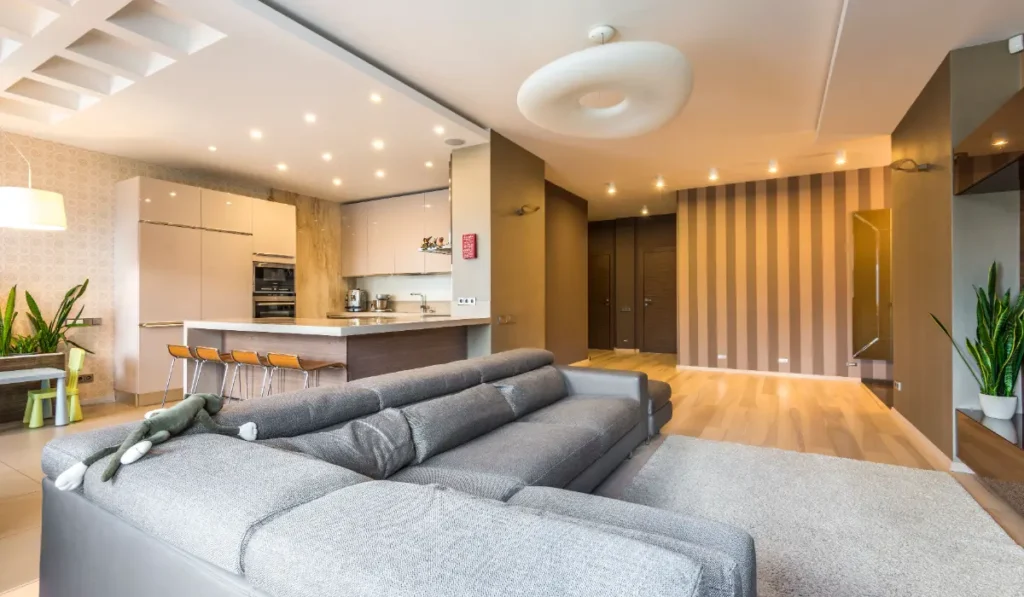
Open-concept homes have become increasingly popular because they create a sense of spaciousness and improve social interaction. However, large open areas can sometimes feel undefined or difficult to organize. This is where zoning becomes an essential design technique. Zoning involves dividing a larger space into distinct functional areas without constructing physical walls.
For example, an open-plan living area might include a lounge zone, dining zone, and workspace. Area rugs, lighting fixtures, furniture placement, and color variations can help visually separate these areas while maintaining overall cohesion. Each zone should serve a specific purpose while still feeling connected to the broader design scheme. This approach improves functionality without sacrificing the openness that makes these spaces appealing.
Successful zoning also helps prevent large rooms from feeling empty or overwhelming. By creating smaller, intentional areas within the space, designers establish a sense of order and balance. The result is a home that feels both spacious and organized. Understanding how to create effective zones is particularly valuable for modern homes and apartments.
Developing Your Personal Interior Design Style
One of the biggest challenges beginners face is determining their personal design style. Many people find themselves drawn to multiple aesthetics and struggle to create a cohesive look. As a result, they may purchase furniture and accessories that do not work well together. Developing a clear design direction helps ensure consistency and prevents costly decorating mistakes.
Your design style should reflect your personality, lifestyle, and preferences rather than simply following current trends. While inspiration from magazines and social media can be valuable, copying someone else’s home rarely produces satisfying results. Instead, focus on identifying the common themes, colors, materials, and layouts that genuinely appeal to you. This process helps create spaces that feel authentic and comfortable.
The goal is not to fit perfectly into a single design category but to understand the elements you consistently enjoy. Once you identify these preferences, making design decisions becomes much easier. A well-defined style serves as a guide for everything from furniture selection to color palettes and decorative accessories.
Popular Interior Design Styles to Explore
Understanding how to be better at interior design mintpaldecor can help you discover the aesthetic that best suits your preferences. While countless variations exist, most interiors draw inspiration from a handful of major design movements. Familiarizing yourself with these styles provides a useful starting point for developing your own design identity. It also makes it easier to communicate your preferences when shopping or working with professionals.
Modern design emphasizes clean lines, simplicity, and minimal ornamentation. Scandinavian interiors share many of these qualities while incorporating warmth through natural materials and soft textures. Farmhouse design focuses on comfort, rustic charm, and welcoming spaces, while industrial interiors celebrate raw materials such as metal, brick, and concrete. Traditional design draws inspiration from classic European influences and often features rich colors, detailed furniture, and elegant decorative elements.
Many successful interiors blend multiple styles rather than adhering strictly to one category. For example, a homeowner might combine Scandinavian simplicity with mid-century modern furniture and contemporary lighting. Understanding the defining characteristics of each style allows you to mix influences more effectively while maintaining visual harmony.
Style
Key Characteristics
Modern
Clean lines, simplicity, neutral colors
Scandinavian
Functionality, light colors, natural materials
Farmhouse
Rustic charm, comfort, wood textures
Industrial
Exposed materials, metal accents, urban feel
Mid-Century Modern
Organic shapes, retro furniture, warm wood
Traditional
Symmetry, classic furnishings, elegant details
Contemporary
Current trends, clean aesthetics, flexibility
Creating Inspiration Boards and Mood Boards
One of the most effective ways to how to be better at interior design mintpaldecor is by creating mood boards. A mood board is a collection of images, colors, textures, furniture examples, and design ideas that represent the look you want to achieve. Professional designers use mood boards to visualize concepts before making purchasing decisions. This process helps ensure consistency and reduces the risk of expensive mistakes.
Start by collecting images from design websites, magazines, Pinterest, and social media platforms. Look for recurring themes in the rooms you save. You may notice that you consistently gravitate toward certain color palettes, furniture styles, or materials. These patterns provide valuable insight into your personal design preferences.
Once your board begins to take shape, evaluate how the elements work together. Remove images that feel out of place and focus on the strongest recurring themes. Over time, your mood board will evolve into a clear design vision that can guide future decorating projects. This simple exercise often provides more clarity than hours of browsing furniture stores.
Improving Your Lighting Strategy
Lighting is one of the most powerful yet underestimated elements of how to be better at interior design mintpaldecor. It influences how colors appear, affects mood, and determines how comfortable a room feels throughout the day. Poor lighting can diminish the impact of even the most beautiful furnishings, while thoughtful lighting can elevate a relatively simple space. Professional designers treat lighting as a fundamental component of the design process rather than an afterthought.
A common mistake among beginners is relying solely on a central ceiling fixture. While overhead lighting provides general illumination, it rarely creates the depth and atmosphere needed for a well-designed room. Layered lighting offers greater flexibility and helps support different activities and moods. This approach creates a more inviting and functional environment.
Lighting also affects how people experience a space emotionally. Bright lighting can promote focus and productivity, while softer illumination encourages relaxation. Understanding these effects allows you to design rooms that support specific purposes and lifestyles. Proper lighting often produces one of the most noticeable improvements in a home’s appearance.
The Three Layers of Lighting
Professional interior designers generally work with three primary lighting layers: ambient, task, and accent lighting. Each serves a distinct purpose, and together they create a balanced and versatile lighting scheme. Relying on only one type often results in flat, uninviting interiors that lack depth and flexibility.
Ambient lighting provides overall illumination and serves as the foundation of the room’s lighting plan. Ceiling fixtures, recessed lights, and large pendant lights typically fulfill this role. Task lighting focuses on specific activities such as reading, cooking, or working. Examples include desk lamps, under-cabinet kitchen lighting, and bedside reading lights.
Accent lighting highlights architectural details, artwork, plants, or decorative features. Wall sconces, picture lights, and LED strips are commonly used for this purpose. Combining all three layers creates a dynamic environment that can adapt to different needs throughout the day. This layered approach is one of the hallmarks of professional-quality for how to be better at interior design mintpaldecor.
Maximizing Natural Light
Natural light is one of the most valuable assets in any interior space. It makes rooms feel larger, brighter, and more welcoming while reducing reliance on artificial lighting. Homes with abundant natural light are often perceived as more attractive and comfortable. As a result, designers frequently prioritize strategies that maximize daylight throughout the home.
Avoid blocking windows with oversized furniture or heavy drapery whenever possible. Light-colored walls and reflective surfaces can help distribute sunlight more effectively throughout the room. Mirrors are particularly useful because they reflect light into darker areas and create the illusion of additional space. Strategic mirror placement is a simple yet highly effective design technique.
If natural light is limited, focus on enhancing artificial lighting to compensate. Layered lighting, reflective materials, and lighter color palettes can help brighten darker spaces. Understanding how to work with available light allows you to create comfortable and visually appealing interiors regardless of architectural limitations.
Using Texture and Materials to Create Depth and Visual Interest
Many beginners focus heavily on color and furniture while overlooking the importance of texture. However, texture is one of the key elements that separates professionally designed interiors from spaces that feel flat or unfinished. Texture adds depth, character, and visual richness to a room by creating contrast between different surfaces and materials. Even a neutral color palette can feel sophisticated and inviting when multiple textures are layered thoughtfully throughout the space.
Texture can be experienced both visually and physically. Some materials, such as velvet, wool, and natural wood, provide tactile texture that can be felt when touched. Other materials create visual texture through patterns, finishes, or natural variations that add complexity to a room. Professional designers intentionally combine smooth, rough, soft, and hard surfaces to create a balanced and engaging environment.
A room that lacks texture often feels sterile regardless of how expensive the furnishings may be. By incorporating a variety of materials, homeowners can create spaces that feel warm, comfortable, and visually dynamic. Texture is particularly important in modern and minimalist interiors where color palettes tend to be more restrained.
How to Layer Textures Successfully
Layering texture involves combining different materials in a way that creates contrast without making the room feel chaotic. A common strategy is to mix soft fabrics with harder surfaces such as wood, metal, stone, or glass. For example, a linen sofa can be paired with a wooden coffee table, metal lighting fixtures, and a woven area rug. Each material contributes a unique texture that enhances the overall design.
The goal is to create variety while maintaining harmony. Too many competing textures can make a room feel cluttered, while too few may result in a bland appearance. Start with larger foundational pieces such as flooring, furniture, and rugs before adding smaller textured accessories. This approach allows you to build depth gradually while maintaining control over the overall aesthetic.
Natural materials are particularly effective because they introduce organic variation and warmth. Wood grain, stone patterns, woven fibers, and natural fabrics all contribute visual interest without overwhelming the design. How to be better at interior design mintpaldecor also tend to age gracefully, making them excellent long-term investments for homeowners.
Popular Materials Used by Professional Designers
Professional designers frequently rely on a combination of natural and manufactured materials to achieve balance and visual interest. Wood remains one of the most versatile materials because it complements virtually every design style, from traditional and farmhouse to Scandinavian and contemporary interiors. Different wood tones can dramatically influence the mood of a room, with lighter woods creating an airy feel and darker woods adding sophistication and warmth.
Textiles play an equally important role in interior design. Materials such as linen, cotton, velvet, leather, and wool provide opportunities to introduce texture through furniture, curtains, cushions, and rugs. Each fabric contributes a different visual and tactile quality that affects the overall atmosphere of the space. Thoughtful textile selection can significantly enhance comfort while supporting the room’s aesthetic goals.
Other popular materials include stone, glass, metal, and ceramic. Stone surfaces add durability and timeless appeal, while glass helps maintain a sense of openness and light. Metal accents can introduce contrast and structure, particularly in modern and industrial interiors. Combining these materials thoughtfully creates layered environments that feel professionally designed and visually balanced.
Choosing Furniture Like a Professional Interior Designer
Furniture often represents the largest investment in how to be better at interior design mintpaldecor project. As a result, selecting the right pieces is one of the most important decisions homeowners make. While attractive furniture is important, professionals evaluate pieces based on functionality, scale, comfort, durability, and overall compatibility with the design vision. Making thoughtful choices at this stage can dramatically improve the success of the entire room.
Many beginners make the mistake of purchasing furniture based solely on appearance. While aesthetics matter, furniture must also support the way a room is used on a daily basis. A beautiful sofa that is uncomfortable or impractical will ultimately detract from the overall living experience. Successful interior design balances visual appeal with real-world functionality.
Investing in well-made furniture often provides better long-term value than purchasing numerous inexpensive pieces. Quality furniture tends to last longer, maintain its appearance, and contribute to a more polished interior. Prioritizing a few high-quality foundational items can elevate an entire room and reduce replacement costs over time.
Prioritize Function Before Style
Every furniture purchase should begin with a clear understanding of how the piece will be used. A dining table, for example, should accommodate the number of people who regularly use it while fitting comfortably within the available space. Similarly, a sofa should support the lifestyle and comfort preferences of household members. Considering functionality first helps ensure that furniture contributes positively to daily life.
Professional designers often create detailed furniture plans before making purchasing decisions. This process allows them to evaluate how each piece will interact with the room and with other furnishings. Homeowners can benefit from adopting a similar approach, especially when working with limited space or budgets. Thoughtful planning reduces the likelihood of costly mistakes and improves overall design cohesion.
Style should enhance functionality rather than replace it. The most successful interiors combine practical furniture choices with attractive aesthetics that reflect the homeowner’s personality. When both priorities are addressed, the result is a space that feels comfortable, beautiful, and easy to live in.
Why Measuring Everything Matters
One of the simplest yet most effective habits professional designers follow is measuring before purchasing. Accurate measurements help prevent common problems such as oversized furniture, blocked walkways, and awkward room layouts. Unfortunately, many homeowners skip this step and rely on visual estimates, which often lead to disappointment once the furniture arrives.
Before purchasing any major piece, measure the room dimensions, doorways, hallways, staircases, and intended furniture locations. Consider how much clearance will remain around the piece once it is placed in the room. These measurements help ensure that the furniture fits both physically and visually within the space. Even experienced designers rely heavily on measurements to make informed decisions.
Creating a scaled floor plan can provide additional clarity and confidence. Many online tools allow users to experiment with furniture arrangements before committing to purchases. This simple step can save significant time, money, and frustration throughout the design process.
Common Interior Design Mistakes and How to Avoid Them
Every designer, whether professional or amateur, makes mistakes during the learning process. The difference is that experienced designers learn to recognize and avoid recurring problems. Understanding how to be better at interior design mintpaldecor can help beginners improve their results more quickly while avoiding unnecessary expenses. Many of these issues are surprisingly easy to correct once they are identified.
Interior design mistakes often stem from rushing decisions, following trends without consideration, or neglecting basic design principles. By taking a more strategic approach, homeowners can create spaces that feel cohesive, functional, and timeless. Awareness of these common pitfalls is an important step toward developing stronger design skills.
Rather than viewing mistakes as failures, consider them opportunities for growth. Every project provides valuable lessons that contribute to future success. The more you understand these challenges, the easier it becomes to make confident and informed design decisions.
Mistake #1: Choosing Paint Before Furniture
Many homeowners select wall colors before finalizing furniture and décor choices. While this may seem logical, it often creates unnecessary limitations later in the design process. Paint is available in thousands of shades and can be changed relatively easily, whereas furniture options are typically more limited and expensive. For this reason, professionals often choose major furnishings before selecting paint colors.
When furniture is selected first, the paint palette can be tailored to complement the room’s primary elements. This approach creates stronger visual harmony and reduces the likelihood of color conflicts. It also provides greater flexibility when sourcing additional décor and accessories. Starting with furniture generally leads to more cohesive and successful interiors.
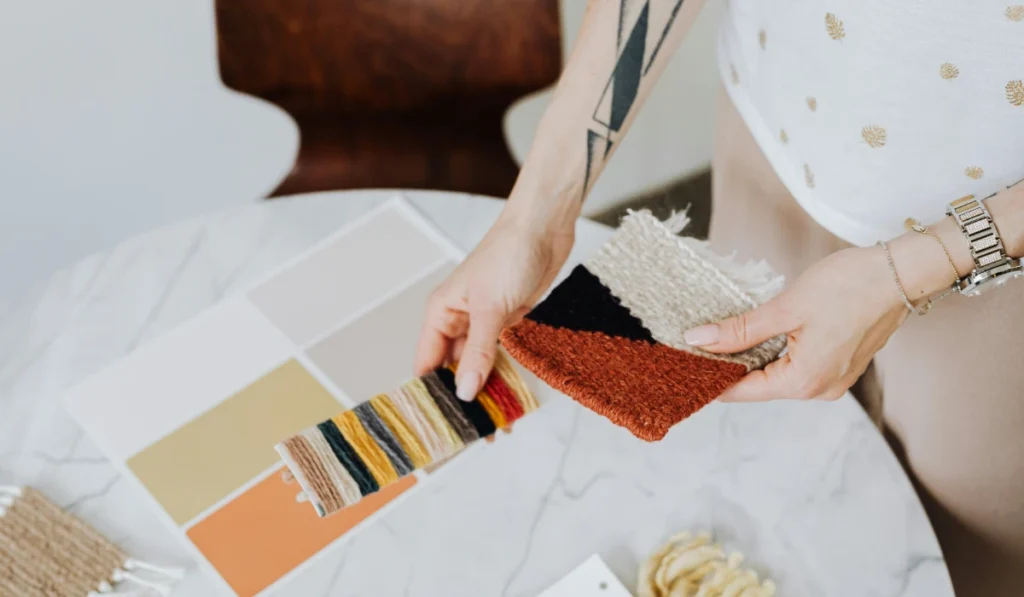
A practical strategy is to gather samples of upholstery, rugs, and major materials before selecting paint. Seeing these elements together makes it easier to choose colors that support the overall design vision. This simple adjustment can significantly improve the final result.
Mistake #2: Relying on a Single Light Source
Many rooms depend entirely on one ceiling fixture for illumination. While this may provide adequate brightness, it rarely creates the depth and atmosphere associated with professional interior design. Single-source lighting often produces harsh shadows and leaves portions of the room feeling dark or underutilized. As a result, even well-furnished spaces can appear flat and uninviting.
Layered lighting offers a much more effective solution. Combining ambient, task, and accent lighting creates flexibility and allows different areas of the room to serve different purposes. It also improves comfort by allowing occupants to adjust lighting levels throughout the day. This approach enhances both functionality and aesthetics.
Adding table lamps, floor lamps, wall sconces, or under-cabinet lighting can dramatically transform a room without requiring a major renovation. Small lighting improvements often produce results that exceed their cost. For this reason, lighting upgrades are among the most valuable investments homeowners can make.
Mistake #3: Following Every Design Trend
Design trends can be inspiring, but relying on them too heavily often leads to interiors that feel outdated within a few years. Trends are constantly evolving, and what appears fashionable today may quickly lose popularity. Homeowners who chase every trend frequently spend unnecessary money replacing furniture, colors, and accessories. This approach can also result in spaces that lack a clear personal identity.
Professional designers typically build rooms around timeless foundations and introduce trends through smaller, easily replaceable elements. Neutral furniture, classic layouts, and durable materials provide long-term stability while allowing flexibility for updates. Accessories such as cushions, artwork, and decorative accents can then be changed as trends evolve. This strategy balances current style with lasting appeal.
The most successful interiors reflect the personality and lifestyle of the people who live in them rather than simply replicating current fashions. By prioritizing personal preferences and strong design principles, homeowners can create spaces that remain attractive for many years. Timeless design almost always outperforms trend-driven decorating in the long run.
Budget-Friendly Ways to Improve Your Interior Design Skills
Many people assume that how to be better at interior design mintpaldecor requires a large budget, but that is not necessarily true. Some of the most valuable design skills can be developed through observation, practice, and thoughtful planning rather than expensive purchases. Professional designers spend years studying layouts, color relationships, lighting techniques, and human behavior within spaces. Homeowners can begin building these same skills by paying closer attention to the environments around them and analyzing what makes certain rooms successful.
One of the most effective ways to improve your design eye is by studying professionally designed interiors. Look beyond whether you simply like a room and try to understand why it works. Notice how colors are balanced, how furniture is arranged, and how lighting contributes to the atmosphere. Over time, this habit helps you recognize patterns and principles that can be applied to your own projects.
Practice is equally important because interior design is ultimately a hands-on discipline. Rearranging furniture, experimenting with accessories, and testing different layouts can teach valuable lessons without requiring significant financial investment. Small experiments often provide insights that are difficult to gain through reading alone. The more frequently you practice, the more confident and capable you become.
Start with One Room at a Time
A common mistake among beginners is attempting to redesign an entire home simultaneously. While the enthusiasm is understandable, this approach often leads to inconsistent results and budget challenges. Professional designers typically focus on one space at a time so they can fully develop the design before moving on to the next area. This method allows for better decision-making and more cohesive outcomes.
Choosing a single room provides an opportunity to experiment and refine your skills without feeling overwhelmed. Living rooms, bedrooms, and home offices are excellent starting points because they offer multiple opportunities to work with furniture, lighting, color, and décor. Concentrating your efforts on one space also makes it easier to evaluate what works and what needs improvement.
Completing one successful room creates momentum and confidence for future projects. Lessons learned from that space can then be applied throughout the rest of the home. This gradual approach often produces better long-term results than attempting a full-house makeover all at once.
Learn to Shop Strategically
How to be better at interior design mintpaldecor also means learning how to make smart purchasing decisions. Professionals rarely buy the first item they see because they understand the importance of comparing options, evaluating quality, and considering long-term value. Strategic shopping helps homeowners maximize their budgets while achieving better design outcomes.
Instead of making impulsive purchases, create a design plan and prioritize the items that will have the greatest impact. Major furniture pieces should generally receive more attention and budget than small decorative accessories because they define the room’s structure. Investing in quality foundational pieces often allows homeowners to save money elsewhere without compromising the overall appearance.
Shopping secondhand can also be an excellent way to find unique furniture and décor. Many vintage and pre-owned items offer superior craftsmanship compared to some mass-produced alternatives. With a little patience and creativity, secondhand shopping can become a valuable tool for creating distinctive and budget-friendly interiors.
Real-World Example: Transforming a Living Room Like a Designer
Understanding design principles is important, but seeing them applied in a practical scenario can make them easier to understand. Consider a typical living room that feels cluttered, dark, and disconnected. The room contains oversized furniture, poor lighting, mismatched colors, and little visual organization. Although each item may be attractive individually, the space lacks cohesion and functionality.
A professional designer would begin by evaluating the room’s purpose and identifying its biggest challenges. Furniture would be rearranged to improve traffic flow and create a more natural conversation area. Unnecessary items would be removed to reduce visual clutter and create a greater sense of openness. These foundational changes often have a dramatic impact before any new purchases are made.
Next, the designer would establish a cohesive color palette and improve the lighting strategy. Additional lamps might be introduced to create layered lighting, while accessories would be selected to reinforce the chosen color scheme. Textures would be added through rugs, cushions, and fabrics to create warmth and depth. By applying fundamental design principles, the room would become significantly more attractive, comfortable, and functional.
Before and After Comparison
The difference between an amateur layout and a professionally planned space often comes down to thoughtful decision-making rather than expensive products. Strategic adjustments can completely transform how a room looks and feels. The table below illustrates some common improvements designers make during a living room makeover.
Design Element
Before
After
Furniture Layout
Random placement
Conversation-focused arrangement
Lighting
Single ceiling fixture
Layered lighting system
Color Scheme
Multiple unrelated colors
Cohesive palette
Texture
Limited variety
Multiple complementary textures
Traffic Flow
Obstructed pathways
Clear movement routes
Focal Point
Undefined
Strong visual centerpiece
Overall Feel
Cluttered and confusing
Balanced and welcoming
This example demonstrates that successful design is rarely about purchasing the most expensive furniture. Instead, it involves making intentional decisions that improve functionality, comfort, and visual harmony. Understanding these principles allows homeowners to achieve professional-looking results regardless of budget.
Expert Tips
Professional designers develop their expertise through years of education, observation, and practical experience. While beginners may not possess the same level of knowledge immediately, adopting certain professional habits can accelerate growth significantly. Many of the industry’s most valuable lessons are surprisingly simple and can be implemented right away.
Successful designers rarely rely solely on instinct. They gather inspiration, create plans, evaluate alternatives, and consider how every decision contributes to the overall design. This thoughtful process helps ensure that rooms feel intentional rather than accidental. Homeowners who adopt a similar mindset often see noticeable improvements in their projects.
Another important lesson is that good design evolves over time. Professionals understand that creating exceptional interiors is rarely an overnight process. Patience, observation, and continual refinement often lead to stronger outcomes than rushing to complete a room quickly.
Think Like a Designer
One of the best ways to improve is to start analyzing spaces the way professionals do. Whenever you enter a room, ask yourself what works well and what could be improved. Consider the layout, color palette, lighting, furniture scale, and focal points. This habit trains your eye to recognize effective design solutions and identify potential problems.
Designers are also skilled problem-solvers. Instead of focusing solely on aesthetics, they look for ways to improve functionality and user experience. A beautiful room that does not support daily activities is ultimately unsuccessful. Learning to balance beauty with practicality is one of the defining characteristics of professional-level design.
Keeping a design journal can further support this process. Document ideas, sketches, room layouts, and observations from spaces you admire. Over time, these notes become a valuable resource that helps shape your personal design philosophy and decision-making process.
Embrace Continuous Learning
How to be better at interior design mintpaldecor is constantly evolving as new materials, technologies, and lifestyles influence how people use their homes. Even experienced professionals continue learning throughout their careers because there is always something new to discover. Adopting a mindset of continuous improvement helps ensure that your skills remain relevant and adaptable.
Books, design blogs, online courses, podcasts, and industry publications all provide valuable educational opportunities. Following respected designers and studying successful projects can expose you to new ideas and perspectives. The more knowledge you acquire, the easier it becomes to make informed design decisions.
Learning should be paired with practical application whenever possible. Reading about design principles is useful, but implementing them in real spaces reinforces understanding more effectively. Combining education with hands-on experience creates the strongest foundation for long-term growth.
Useful Tools and Resources for Beginner Interior Designers
Today’s aspiring designers have access to more resources than ever before. Digital tools make it easier to plan layouts, experiment with color palettes, and visualize design ideas before making purchases. These resources can help beginners avoid costly mistakes while developing stronger design skills.
Room-planning software allows users to create floor plans and test furniture arrangements virtually. Color visualization tools help homeowners evaluate paint combinations before committing to them. Mood board applications make it easier to organize inspiration and maintain consistency throughout a project. Together, these tools provide valuable support throughout the design process.
While technology is helpful, it should complement rather than replace fundamental design knowledge. Understanding principles such as balance, scale, rhythm, and functionality remains essential. Digital tools are most effective when used alongside strong design fundamentals.
Recommended Resources for Beginners
Resource Type
Benefit
Interior Design Books
Learn foundational principles
Design Magazines
Discover trends and inspiration
Online Courses
Structured skill development
Pinterest Boards
Visual inspiration and idea collection
Floor Planning Apps
Improve space planning
Color Palette Tools
Develop cohesive color schemes
Design Podcasts
Learn from industry experts
Home Tours
Observe real-world design solutions
The best resource is often consistent observation and practice. The more you study successful interiors and apply what you learn, the more your confidence and skills will grow. Over time, these small efforts compound into significant improvements.
Future Interior Design Trends Beginners Should Watch
Interior design continues to evolve as lifestyles, technology, and environmental concerns influence how people live. While timeless design principles remain important, staying aware of emerging trends can help homeowners make informed decisions about future projects. Understanding trends does not mean following every new idea. Instead, it allows you to identify innovations that align with your personal style and practical needs.
One of the biggest shifts in recent years has been the emphasis on creating homes that support wellness and flexibility. People increasingly want spaces that feel comfortable, restorative, and adaptable to multiple purposes. Home offices, multifunctional rooms, and wellness-focused environments have become more important than ever. Designers are responding by creating interiors that prioritize comfort, functionality, and mental well-being.
Sustainability is also playing a larger role in design decisions. Many homeowners are seeking durable materials, energy-efficient lighting, and environmentally responsible products. As awareness of environmental issues continues to grow, sustainable design practices are likely to remain a major influence on the industry for years to come.
Trend #1: Sustainable and Eco-Friendly Design
Sustainable interior design focuses on reducing environmental impact while creating healthy and attractive living spaces. This trend includes using responsibly sourced materials, investing in durable furniture, reducing waste, and choosing energy-efficient products. Sustainability is no longer viewed as a niche concept but as a practical approach that benefits both homeowners and the environment.
Natural materials such as wood, stone, bamboo, and organic textiles are becoming increasingly popular because they offer both aesthetic and environmental advantages. Many homeowners are also choosing vintage and secondhand furniture as a way to reduce waste while adding character to their interiors. These choices often result in unique spaces with greater personality and authenticity.
Eco-friendly design also emphasizes longevity. Rather than frequently replacing furniture and décor, homeowners are encouraged to invest in quality pieces that will remain useful and attractive for many years. This mindset aligns closely with professional design principles that prioritize lasting value over short-term trends.
Trend #2: Multifunctional Spaces
Modern homes often need to accommodate multiple activities within the same area. A living room may serve as an entertainment space, workspace, reading area, and gathering place throughout the day. As a result, designers are placing greater emphasis on flexibility and multifunctionality. Furniture and layouts are increasingly being designed to support changing needs.
Modular furniture, expandable tables, hidden storage, and adaptable room layouts are becoming more common. These solutions help homeowners maximize available space without sacrificing comfort or aesthetics. Multifunctional design is especially valuable in apartments and smaller homes where every square foot matters.
The ability to adapt a room to different purposes is likely to remain an important design consideration in the future. Homeowners who understand this concept can create spaces that remain practical and relevant as their lifestyles evolve.
Trend #3: Bringing Nature Indoors
Biophilic design is an approach that seeks to strengthen the connection between people and nature. Research has shown that exposure to natural elements can reduce stress, improve mood, and enhance overall well-being. As a result, many designers are incorporating natural materials, indoor plants, and nature-inspired colors into their projects.
Large windows, natural light, organic textures, and greenery are common features of biophilic interiors. Even small additions such as potted plants or natural wood accents can contribute to a stronger sense of connection with nature. These elements help create calming environments that feel more inviting and restorative.
This trend aligns well with broader wellness-focused design movements. As homeowners continue prioritizing comfort and mental health, nature-inspired interiors are expected to remain highly popular. Learning how to incorporate these elements effectively can improve both the appearance and atmosphere of a home.
Frequently Asked Questions
Can I learn interior design without formal education?
Yes, you can learn interior design through books, online courses, practical projects, and consistent observation of professionally designed spaces.
How long does it take to become good at interior design?
Most beginners notice improvement within a few months, but mastering interior design requires continuous learning and real-world experience.
What is the most important interior design principle?
Balance is essential because it creates visual harmony, making rooms feel organized, comfortable, and aesthetically pleasing.
Should I follow interior design trends?
Follow trends selectively and focus on timeless design principles to create spaces that remain attractive for years.
How do I choose the right color palette?
Consider the room’s purpose, lighting conditions, and desired mood while using color theory principles for guidance.
Why does my room feel unfinished?
Rooms often feel unfinished due to poor lighting, limited texture, lack of accessories, or an unclear focal point.
How much should I spend on furniture?
Invest more in frequently used furniture pieces while balancing quality, durability, comfort, and your available budget.
Can small rooms look luxurious?
Yes, proper lighting, quality materials, thoughtful layouts, and cohesive color schemes can make small rooms feel luxurious.
What are the best rooms for beginners to practice on?
Living rooms and bedrooms are ideal because they allow you to practice layout, lighting, color, and décor skills.
How can MintPalDecor help improve my interior design skills?
MintPalDecor provides practical tips, design inspiration, and expert guidance to help beginners create better living spaces.
Interior Design Success Checklist
Use this checklist whenever you begin a new decorating or redesign project:
Planning
Define the room’s primary function.
Establish a realistic budget.
Create a mood board for inspiration.
Measure the room carefully.
Identify a focal point.
Design
Select a cohesive color palette.
Follow proper scale and proportion guidelines.
Create clear traffic flow pathways.
Layer ambient, task, and accent lighting.
Incorporate multiple textures and materials.
Furniture and Décor
Prioritize quality over quantity.
Arrange furniture around function.
Add accessories strategically.
Avoid overcrowding the room.
Maintain visual balance.
Final Review
Evaluate comfort and usability.
Check consistency throughout the space.
Remove unnecessary clutter.
Make adjustments as needed.
Enjoy and refine over time.
Key Takeaways
Becoming better at interior design does not require extraordinary talent or an unlimited budget. The most successful interiors are built on a foundation of strong design principles, thoughtful planning, and continuous learning. Understanding concepts such as balance, proportion, color theory, lighting, texture, and functionality allows homeowners to make more confident and effective design decisions.
Developing a personal style is equally important because it helps create spaces that feel authentic and meaningful. Rather than copying trends blindly, focus on understanding what works for your lifestyle and preferences. Over time, observation and practice will strengthen your ability to recognize successful design solutions and apply them to your own home.
Interior design is ultimately about creating environments that improve daily life. Beautiful spaces should also be comfortable, practical, and supportive of the people who use them. By combining creativity with thoughtful decision-making, anyone can develop the skills needed to transform ordinary rooms into exceptional living spaces.
Conclusion
How to be better at interior design mintpaldecor starts with understanding the fundamentals and applying them consistently. By focusing on balance, color, lighting, texture, and space planning, you can create rooms that feel both functional and visually appealing. Developing your own style and avoiding common design mistakes will help you make more confident decorating decisions. Remember that great interior design is not about spending more money but about making thoughtful choices that improve your space. With practice and patience, you can transform any room into a comfortable and beautiful environment.