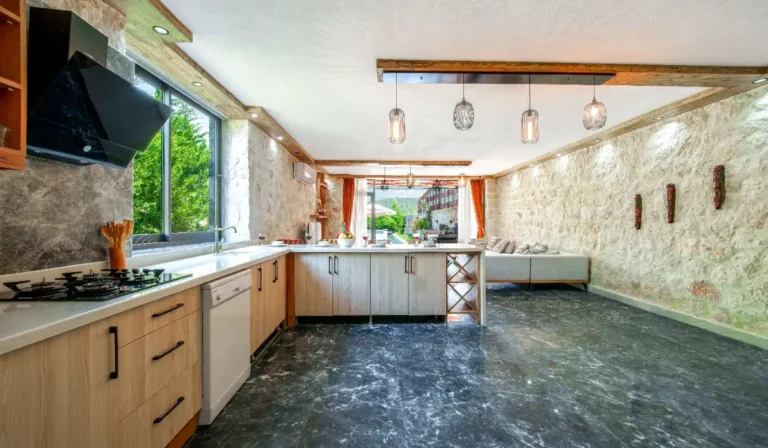
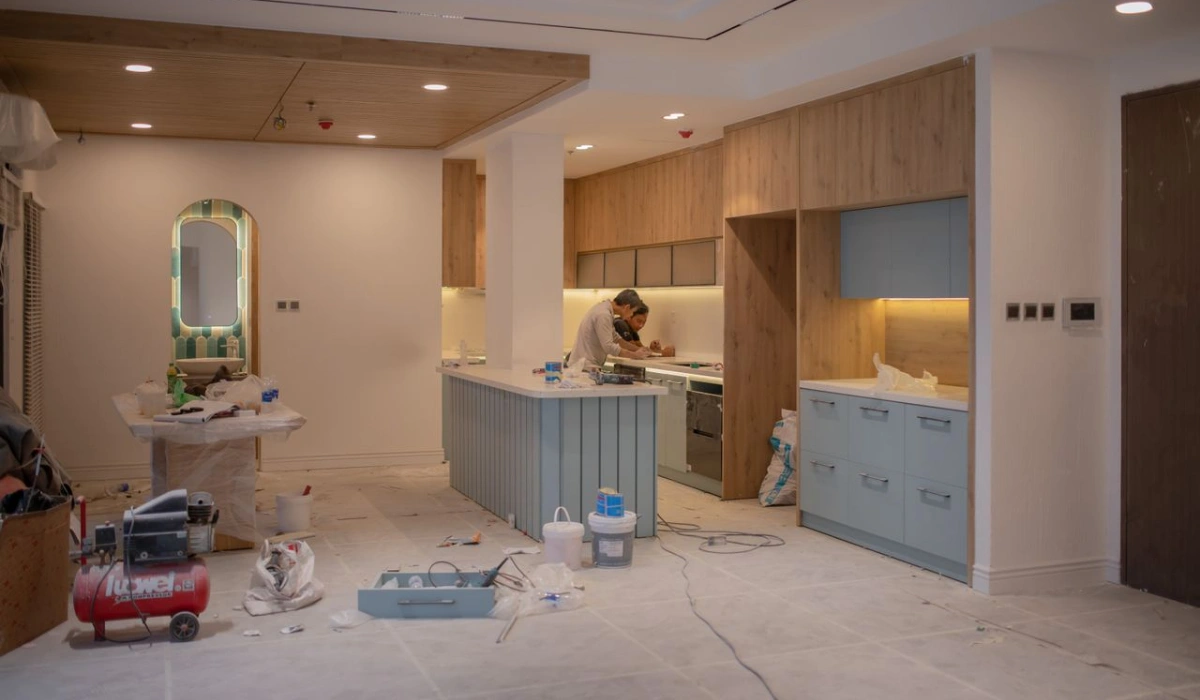
Home Upgrades Mintpalment: Budgeting Your Renovation Without Financial Stress
Introduction
There’s a moment every homeowner knows well — you’re standing in your kitchen, staring at the outdated countertops, or noticing the living room ceiling fan that’s been wobbling for two years, and you think: “It’s finally time to fix this place up.”
Then comes the next thought: “But how am I going to afford all of this?”
That’s where the concept of home upgrades mintpalment becomes a game-changer. Whether you’re planning a full kitchen remodel, adding a bathroom, upgrading your HVAC system, or simply refreshing your interiors, understanding how to structure your home improvement payments — what many homeowners now refer to as “mintpalment” or installment-based budgeting for home upgrades — makes the difference between a dream renovation and a financial nightmare.
This guide walks you through everything: what home upgrades mintpalment means in practice, which upgrades deliver the most value, how to budget effectively, and how to finance your improvements in a way that keeps your bank account (and sanity) intact.
What Is “Home Upgrades Mintpalment” and Why Are Homeowners Searching for It?
Before diving into the tactics, let’s clarify the concept.
“Mintpalment“ is a blended term increasingly used in home improvement communities to describe the practice of managing home upgrades through structured, minimal installment payments — essentially breaking down renovation costs into digestible monthly chunks rather than paying everything upfront.
Think of it as the intersection of two ideas:
- Mint — as in financial clarity, budgeting tools, and keeping your money clean and organized
- Installment — spreading costs over time, responsibly and with intention
In practical terms, home upgrades mintpalment refers to any strategic approach where homeowners:
- Plan renovations in phases tied to payment cycles
- Use financing tools (HELOCs, personal loans, buy-now-pay-later for home goods) to spread costs
- Prioritize upgrades based on ROI vs. monthly impact on cash flow
- Track and optimize renovation spending the way you’d track a subscription budget
This isn’t just about financing — it’s a mindset shift in how modern homeowners approach improving their living spaces without derailing their financial goals.
The Real Cost of Home Upgrades: What Homeowners Need to Know First
Before you map out a mintpalment strategy, you need an honest picture of what home upgrades actually cost in 2025.
Average Costs by Upgrade Category
| Upgrade Type | Average Cost (US) | ROI Potential |
| Kitchen remodel (minor) | $10,000 – $25,000 | 70–80% |
| Bathroom remodel | $8,000 – $20,000 | 60–70% |
| HVAC replacement | $5,000 – $12,000 | High (energy savings) |
| Roof replacement | $8,000 – $15,000 | 60–65% |
| Flooring (whole home) | $6,000 – $18,000 | 70–75% |
| Smart home upgrades | $1,000 – $5,000 | Growing demand |
| Exterior/curb appeal | $3,000 – $10,000 | 75–100% |
| Basement finishing | $15,000 – $35,000 | 50–70% |
These numbers are significant — and they explain why lump-sum payment isn’t realistic for most families. The average American household doesn’t have $20,000 sitting idle for a kitchen renovation. That’s exactly why mintpalment planning has become so relevant.
The Hidden Costs Homeowners Always Forget
When budgeting home upgrades, most people underestimate by 20–30% because they overlook:
- Permit fees — range from $150 to $2,000+ depending on the project and municipality
- Demo and disposal costs — removing old materials isn’t free
- Structural surprises — opening walls can reveal plumbing or electrical issues
- Temporary housing or storage — if renovations displace you
- Interior finishing — paint, trim, fixtures that feel “minor” but add up fast
A solid mintpalment strategy accounts for a 15–20% contingency buffer on top of your quoted project cost.
10 High-Value Home Upgrades Worth Planning Through a Mintpalment Strategy
Not all upgrades are created equal. If you’re spreading costs over time, you want to prioritize projects that add genuine value — whether that’s comfort, energy savings, resale value, or daily quality of life.
1. Kitchen Cabinet Refacing or Replacement
The kitchen is the heart of the home — and buyers, appraisers, and design-savvy homeowners all know it. A full cabinet replacement can run $15,000–$30,000, but cabinet refacing (replacing doors and hardware while keeping existing boxes) costs $4,000–$10,000 and delivers nearly the same visual impact.
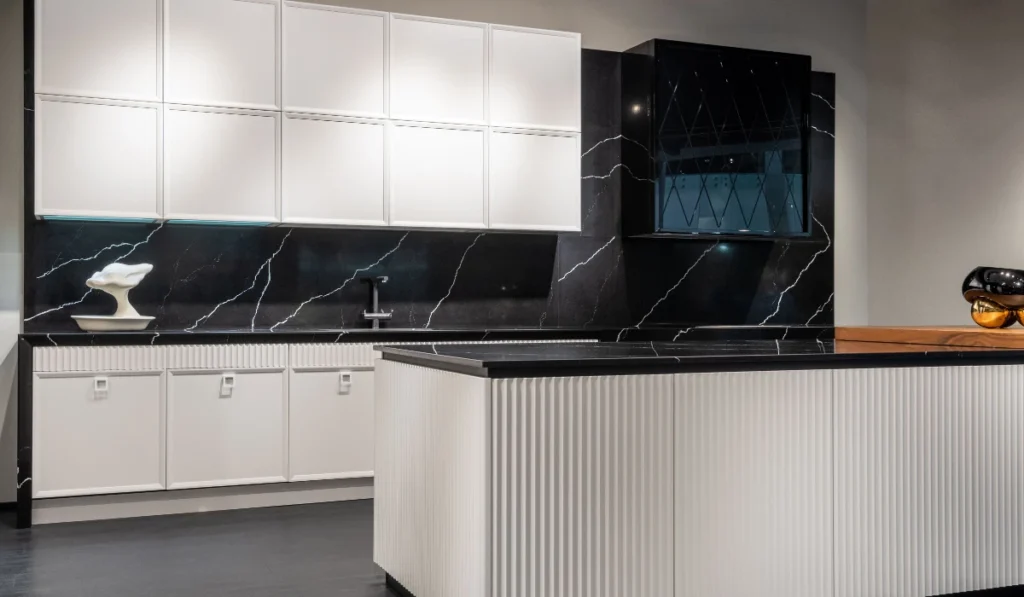
Mintpalment tip: Many cabinet suppliers now offer 12–24 month financing with low or zero interest for qualified buyers. This is one of the easiest upgrades to structure into monthly payments.
2. Energy-Efficient Window Replacement
Old, drafty windows cost you money every month in heating and cooling. Replacing them with double or triple-pane energy-efficient windows typically costs $400–$800 per window installed.
The kicker? Many utility companies offer rebates, and federal tax credits (under the Inflation Reduction Act) can offset 30% of the cost. When you combine rebates with a 0% financing plan, the monthly payment can actually be offset by your lower energy bills.
3. Smart Thermostat and HVAC Upgrades
HVAC systems account for nearly 50% of a home’s energy usage. Upgrading to a high-efficiency system (16+ SEER rating) or adding a smart thermostat like a Nest or Ecobee is one of the most financially intelligent upgrades a homeowner can make.
A smart thermostat alone costs $150–$300 and can reduce heating and cooling costs by 10–15% annually. For larger HVAC replacements, manufacturers like Carrier, Lennox, and Trane regularly offer financing programs with monthly installment options.
4. Bathroom Renovation (Strategic Refresh)
You don’t need a full gut renovation to dramatically improve a bathroom. A strategic refresh — new vanity, updated fixtures, re-grouted tile, and a fresh coat of moisture-resistant paint — can transform the space for $3,000–$7,000.
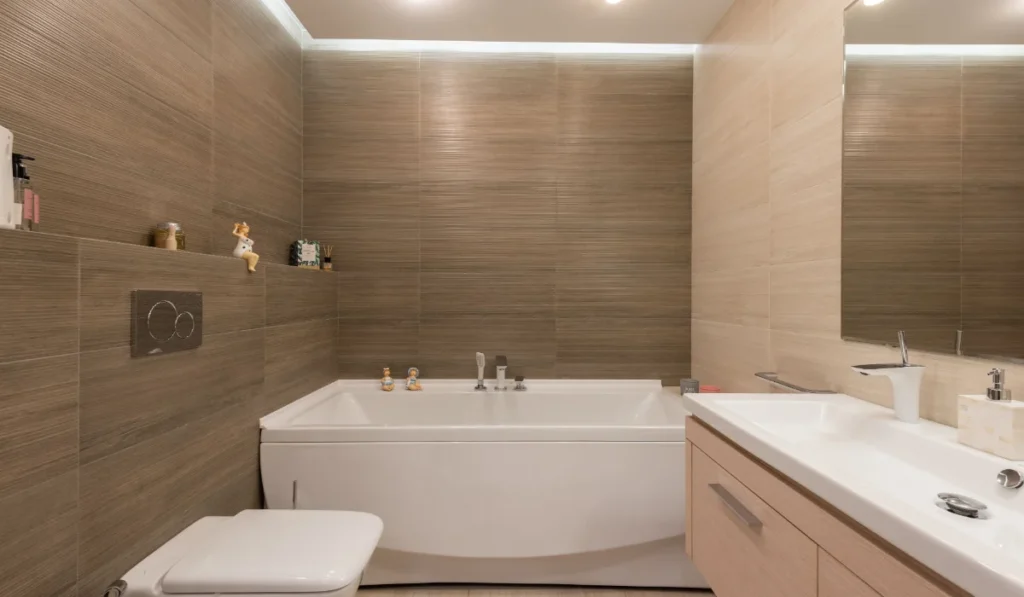
For a complete remodel, spread the project across 6–12 months using a phased payment plan. Tackle plumbing and structural work first (funded via a short-term personal loan), then finish with cosmetic upgrades paid from savings.
5. Hardwood or Luxury Vinyl Plank (LVP) Flooring
Flooring is one of the most impactful visual upgrades per dollar spent. Luxury vinyl plank (LVP) has become the go-to choice for budget-conscious homeowners because it’s waterproof, durable, and looks virtually identical to real hardwood — at roughly half the cost.
Whole-home LVP installation averages $5–$10 per square foot installed, meaning a 1,500 sq ft home runs $7,500–$15,000. Many flooring retailers (Floor & Decor, LL Flooring) offer installment financing that makes this very manageable monthly.
6. Attic Insulation and Air Sealing
Perhaps the most underrated home upgrade on this list. Poor attic insulation is the silent money drain in millions of American homes. Proper air sealing and blown-in insulation for an average attic costs $1,500–$4,000 and can reduce energy bills by 15–25%.
Many states offer rebate programs, and this upgrade often pays for itself within 2–4 years. For mintpalment planning, this is a great early-phase project because the monthly savings help fund future upgrades.
7. Fresh Exterior Paint and Curb Appeal Improvements
First impressions matter — whether for your own enjoyment or future resale. A professional exterior paint job costs $3,000–$8,000 depending on home size. Add landscaping, a new front door, and updated lighting for another $1,500–$3,000 and your home looks completely different.
Curb appeal improvements consistently deliver 90–100% ROI at resale, making them one of the most financially sound upgrades you can make.
8. Garage Door Replacement
Consistently ranked as the #1 ROI home improvement project by Remodeling Magazine’s Cost vs. Value report, a new garage door returns over 90% of its cost at resale. Installation typically runs $1,200–$3,500.

This is an ideal standalone mintpalment project — relatively affordable, high-impact visually, and easy to finance through a short-term personal loan or credit card with a 0% introductory APR.
9. Deck or Patio Addition
Outdoor living has exploded in popularity since 2020, and homeowners continue to invest heavily in outdoor spaces. A pressure-treated wood deck averages $15–$35 per square foot, while a composite deck runs $25–$50 per square foot installed.
For a 300 sq ft deck, you’re looking at $5,000–$15,000. This is a perfect candidate for a home equity line of credit (HELOC) since it adds measurable value to the property.
10. Basement Finishing
If you have an unfinished basement, you’re sitting on untapped square footage. Finishing a basement adds livable space that can serve as a rental unit, home office, gym, or family room.
Average cost: $20,000–$50,000 for a full finish. This is one area where a structured HELOC or renovation loan makes the most financial sense, given the scale of the project and the significant value it adds to your home.
Kitchen Upgrading Advice and Tips Minpalment
A kitchen renovation doesn’t have to hit your wallet all at once. With the right kitchen upgrading tips minpalment approach, you can break the project into phases — tackling cabinets and countertops first, then appliances and lighting later — keeping monthly costs manageable without stalling progress.
The smartest move before swinging a single hammer is planning your payments before your design. Following solid kitchen upgrading advice minpalment means getting multiple contractor quotes, separating structural work from cosmetic upgrades, and financing each phase independently so you stay in control of your budget from start to finish.
How to Build Your Home Upgrades Mintpalment Plan: Step-by-Step
Now that you know what to upgrade, here’s how to structure a mintpalment plan that keeps your finances healthy throughout the process.
Step 1: Conduct a Full Home Audit
Walk through every room with a notepad and list everything that needs attention — from cosmetic fixes to structural concerns. Separate the list into three categories:
- Urgent (safety, structural, or damage-related)
- High-value (impacts daily life or resale significantly)
- Wishlist (nice to have but not essential)
Step 2: Get Real Quotes — Not Estimates
Before you budget, get at least three written quotes from licensed contractors for every major project. Online estimators are useful for ballpark figures, but actual quotes from local professionals reflect real market pricing in your area.
Step 3: Prioritize by ROI and Urgency
Use a simple scoring system. Rate each upgrade 1–10 on:
- Financial ROI (will it add value to the home?)
- Quality of life impact (will you use and enjoy this daily?)
- Urgency (is there damage or risk if you wait?)
Add the scores. The highest-scoring projects go first in your mintpalment plan.
Step 4: Choose Your Financing Tools
Here’s a breakdown of the most common financing options for home upgrades, and when each makes sense:
Home Equity Line of Credit (HELOC)
- Best for: Large projects ($15,000+)
- Pros: Low interest rates, flexible draw schedule, interest may be tax-deductible
- Cons: Requires 15–20% home equity, variable rates
Personal Loan
- Best for: Mid-range projects ($5,000–$20,000)
- Pros: Fixed rate, no home equity needed, fast approval
- Cons: Higher interest than HELOC, shorter repayment terms
0% APR Credit Card
- Best for: Smaller projects ($1,000–$5,000)
- Pros: Zero interest if paid within promotional period
- Cons: High APR kicks in after promo period ends
Cash-Out Refinance
- Best for: Major whole-home renovations
- Pros: Single loan, potentially lower rate than current mortgage
- Cons: Resets mortgage clock, closing costs
Contractor Financing / Buy Now Pay Later
- Best for: Specific product purchases (appliances, flooring, cabinetry)
- Pros: Often 0% promotional APR
- Cons: Deferred interest traps if not paid in time
Step 5: Create a Monthly Mintpalment Budget
Once you’ve chosen your financing, calculate the total monthly commitment across all active renovation loans and credit lines. A healthy rule of thumb: renovation debt payments should not exceed 10–15% of your monthly take-home income.
If your monthly take-home is $6,000, keep renovation payments at or below $600–$900/month.
Step 6: Phase Your Projects Strategically
Don’t try to renovate everything at once. A smart phasing plan might look like:
- Phase 1 (Months 1–6): Energy upgrades — insulation, windows, smart thermostat
- Phase 2 (Months 7–12): Kitchen refresh — painting cabinets, new hardware, updated appliances
- Phase 3 (Year 2): Bathroom remodel
- Phase 4 (Year 3): Exterior and curb appeal, deck addition
This approach lets each phase’s financing pay down before adding new obligations.
Common Questions About Home Upgrades Mintpalment
What does mintpalment mean in home improvement? Mintpalment refers to the practice of structuring home improvement costs into organized, manageable monthly installment payments rather than paying in a lump sum. It combines budgeting discipline with financing tools to make home upgrades financially sustainable.
Which home upgrade has the highest ROI? Garage door replacement, minor kitchen remodels, and exterior paint consistently deliver the highest return on investment — often 80–100% of the project cost recouped at resale, according to Remodeling Magazine’s annual Cost vs. Value report.
How do I finance home upgrades with no equity? If you have limited home equity, personal loans and 0% APR credit cards are your best options. Some states also offer home improvement grant programs for income-qualifying homeowners through HUD-approved agencies.
Is a HELOC better than a personal loan for home upgrades? For projects over $15,000, a HELOC typically offers lower interest rates and greater flexibility. For smaller projects or homeowners with limited equity, a personal loan is faster to access and doesn’t put your home at risk.
How much should I budget for unexpected renovation costs? Always add a 15–20% contingency buffer to your renovation budget. On a $20,000 project, budget an additional $3,000–$4,000 for surprises like structural issues, permit delays, or material price changes.
Common Mistakes to Avoid When Planning Home Upgrades on Installments
Even the best-intentioned renovation plans go sideways. Here are the most common pitfalls — and how to sidestep them.
1: Underestimating Scope
What starts as a “simple bathroom refresh” often reveals water damage, outdated plumbing, or faulty electrical once walls come down. Always build scope flexibility into your plan.
2: Financing Too Many Projects at Once
Stacking multiple renovation loans simultaneously can strain your monthly budget and credit score. Stick to one or two active projects at a time.
3: Ignoring Permit Requirements
Unpermitted work can void home insurance claims, create problems at resale, and even require costly demolition to correct. Always verify what requires a permit in your municipality.
4: Choosing the Cheapest Contractor
The lowest bid is rarely the best value. A cheap contractor who delivers poor workmanship costs more in the long run when you need to hire someone to fix their mistakes.
5: Forgetting Maintenance Over Aesthetics
A beautiful kitchen means nothing if your roof is leaking or your HVAC is failing. Always prioritize functional and structural upgrades before cosmetic ones.
Final Thoughts
Home improvement doesn’t have to be an all-or-nothing proposition. The smartest homeowners aren’t those who spend the most — they’re the ones who plan the best.
A thoughtful home upgrades mintpalment strategy lets you transform your living space gradually, intelligently, and without sacrificing your financial wellbeing. By auditing your home honestly, prioritizing high-ROI projects, choosing the right financing tools, and phasing your renovations over time, you can build the home you’ve always wanted — one smart upgrade at a time.
Your home is likely your largest asset. Treat it that way: with patience, intention, and a plan that respects both your living vision and your bank account.
Frequently Asked Questions
What is the best order to do home renovations?
Start with structural and safety issues (roof, foundation, electrical, plumbing), then move to energy efficiency upgrades, followed by kitchen and bathroom improvements, and finish with cosmetic and curb appeal projects.
Can I do home upgrades on a tight budget?
Absolutely. Cosmetic upgrades like painting, hardware replacement, landscaping, and light fixture swaps can dramatically improve your home for under $2,000. Focus on high-visibility areas first.
How long does a home renovation take?
A minor kitchen or bathroom refresh takes 2–4 weeks. A full kitchen remodel typically takes 6–12 weeks. Whole-home renovations can take 6 months to over a year depending on scope.
Does renovating a home increase property taxes?
In most jurisdictions, yes — significant improvements that increase assessed home value can trigger a property tax reassessment. Check with your local assessor’s office before major projects.
What home upgrades are tax deductible?
Energy-efficiency upgrades (windows, insulation, HVAC, solar) may qualify for federal tax credits under current IRS guidelines. Home office improvements may also be deductible if you’re self-employed. Always consult a tax professional for your specific situation.
How do I avoid renovation debt traps?
Never finance more than you can comfortably repay within the loan term. Avoid deferred-interest financing unless you’re confident you can pay the full balance before the promotional period ends. Build a realistic monthly payment cap into your plan from day one.