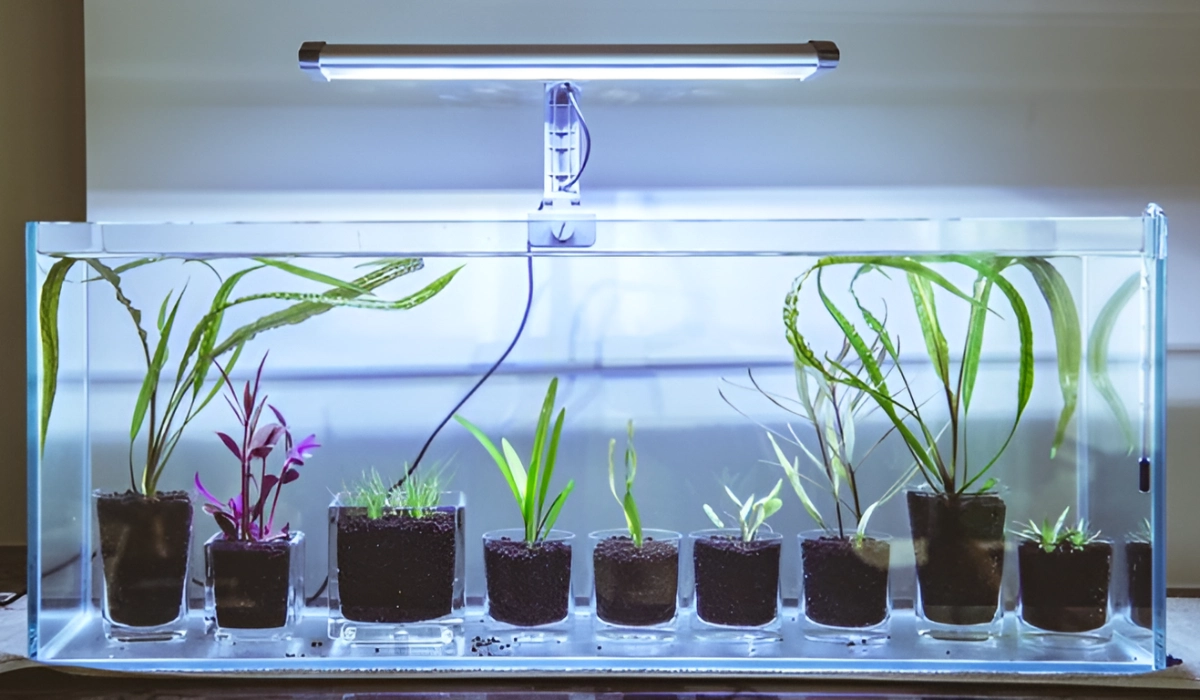
Fast growing aquarium plants act as the biological engine of a healthy freshwater aquarium. By rapidly consuming excess nitrates, phosphates, and dissolved organics, these prolific species outcompete nuisance algae, oxygenate the water column, and create dynamic underwater habitats for fish and invertebrates.
Why Choose Fast Growing Aquarium Plants?
Rapidly growing aquatic plants offer functional benefits that go far beyond aesthetics:
- Natural Algae Control: Algae thrives on excess light and free-floating nutrients. Fast growing aquarium plants absorb ammonium, nitrate, and phosphate faster than algae can utilize them, effectively starving algae blooms before they establish.
- Biological Water Filtration: Plants absorb ammonium directly, reducing the bio-load on your biological filter media and buffering water quality between routine water changes.
- Safe Harbor for Fry and Shrimplets: Dense foliage provides micro-habitats and grazing surfaces covered in natural biofilm, ensuring high survival rates for breeding projects.
- Allelopathic Defense: Certain species release natural biochemical compounds (allelopathy) into the water that actively suppress cyanobacteria (blue-green algae) and suspended microalgae.
Also Read: Home Upgrades Mintpalment: Budgeting Your Renovation Without Financial Stress
The 10 Best Fast Growing Aquarium Plants
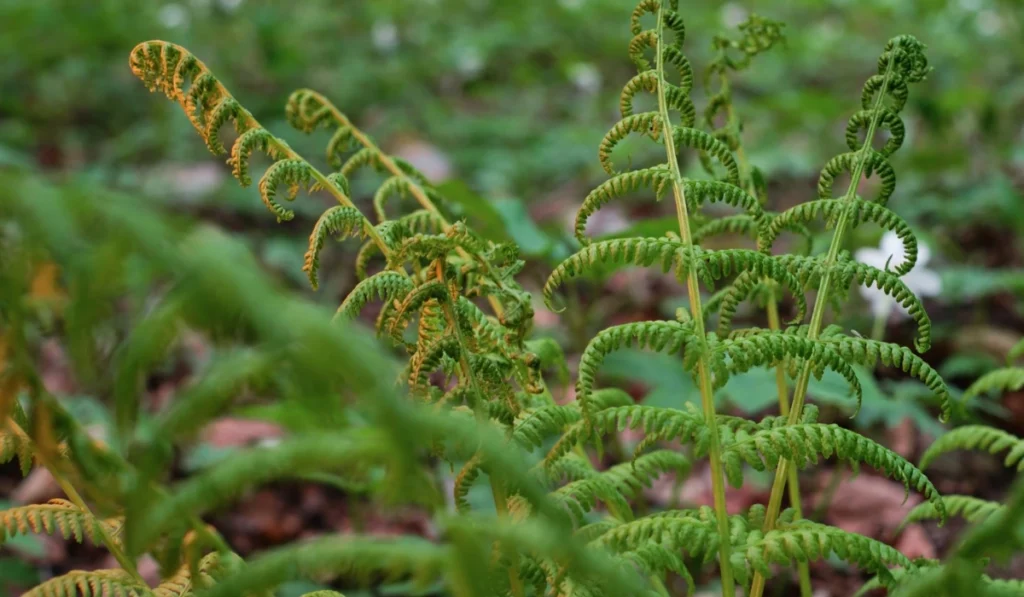
1. Hornwort (Ceratophyllum demersum)
- Growth Rate: 2–5 inches per week
- Placement: Background or Free-Floating
- Lighting: Low to High
- CO2 Requirement: None
Hornwort is virtually indestructible and absorbs 100% of its nutrients directly from the water column because it does not form true roots. It tolerates temperatures between 59°F and 86°F (15°C–30°C) and thrives in both tropical community tanks and cold-water goldfish setups. Its needle-like leaves create surface area for fry to hide.
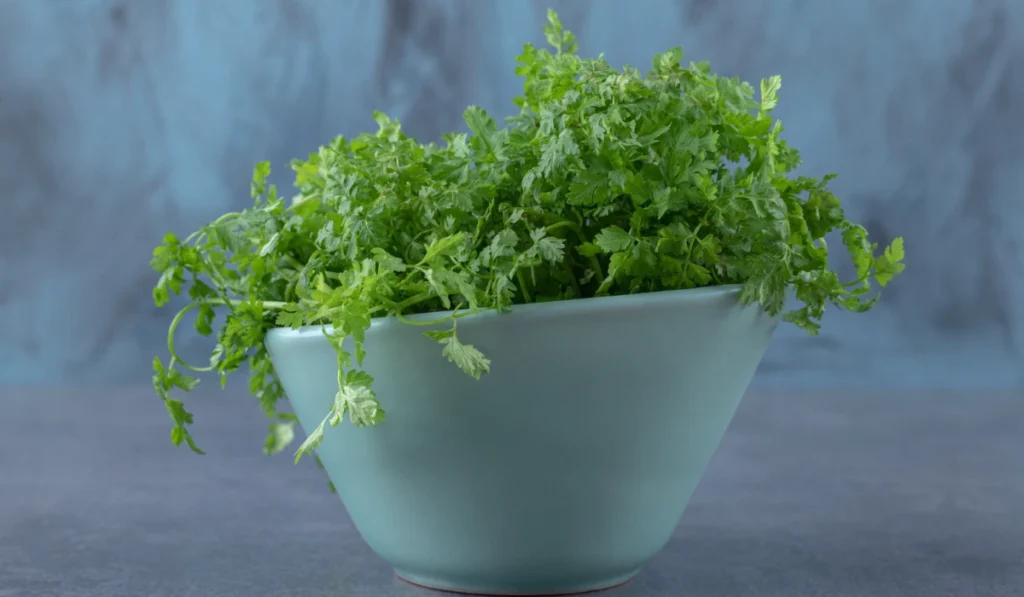
2. Water Wisteria (Hygrophila difformis)
- Growth Rate: 2–4 inches per week
- Placement: Midground to Background
- Lighting: Moderate
- CO2 Requirement: None (accelerates under injection)
Water Wisteria produces deeply lobed, lace-like foliage underwater. It can be planted into substrate or allowed to grow horizontally as a spreading bush. It is a heavy water-column feeder that rapidly absorbs dissolved nitrates.
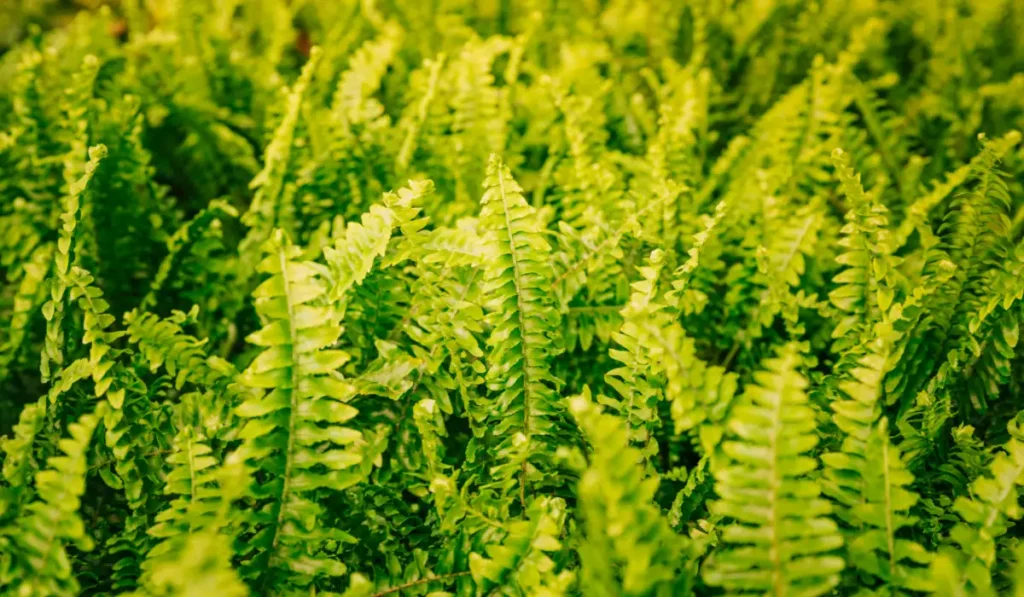
3. Anacharis / Brazilian Elodea (Egeria densa)
- Growth Rate: 1–3 inches per week
- Placement: Background or Floating
- Lighting: Low to Moderate
- CO2 Requirement: None
Anacharis features bright green whorls along upright stems. It adapts to a wide pH range (6.0–8.0) and cooler temperatures, making it a reliable choice for cycling new aquariums.
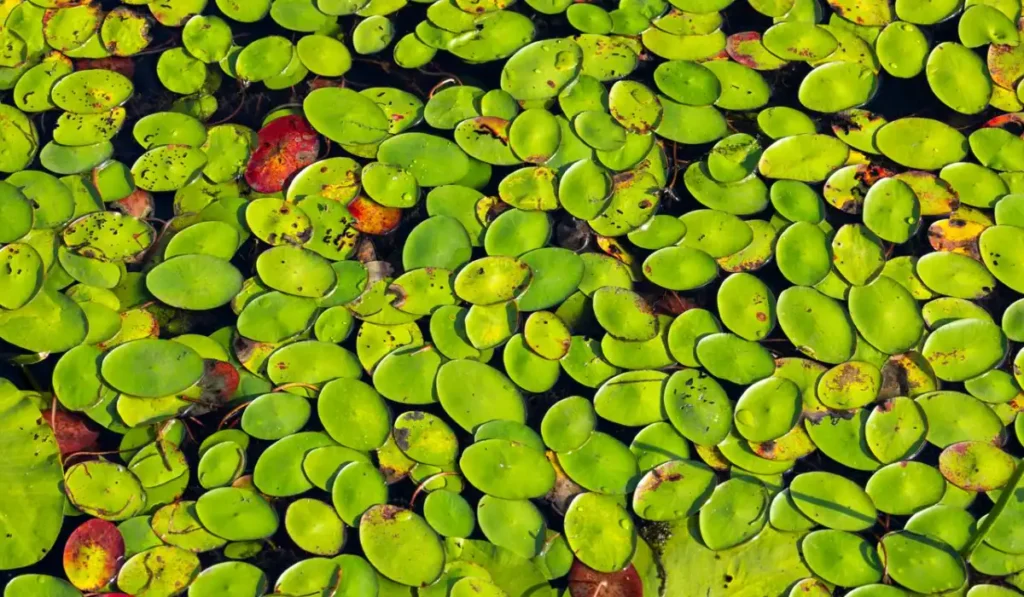
4. Amazon Frogbit (Limnobium laevigatum)
- Growth Rate: Doubles leaf surface every 7–10 days
- Placement: Floating Surface
- Lighting: Moderate
- CO2 Requirement: None (absorbs atmospheric CO2)
Because floating plants have direct access to atmospheric carbon dioxide, Amazon Frogbit grows at rapid rates regardless of in-tank CO2 levels. Its long, silken root systems hang down into the water column, soaking up nitrates and giving shrimp and juvenile fish a secure foraging zone.
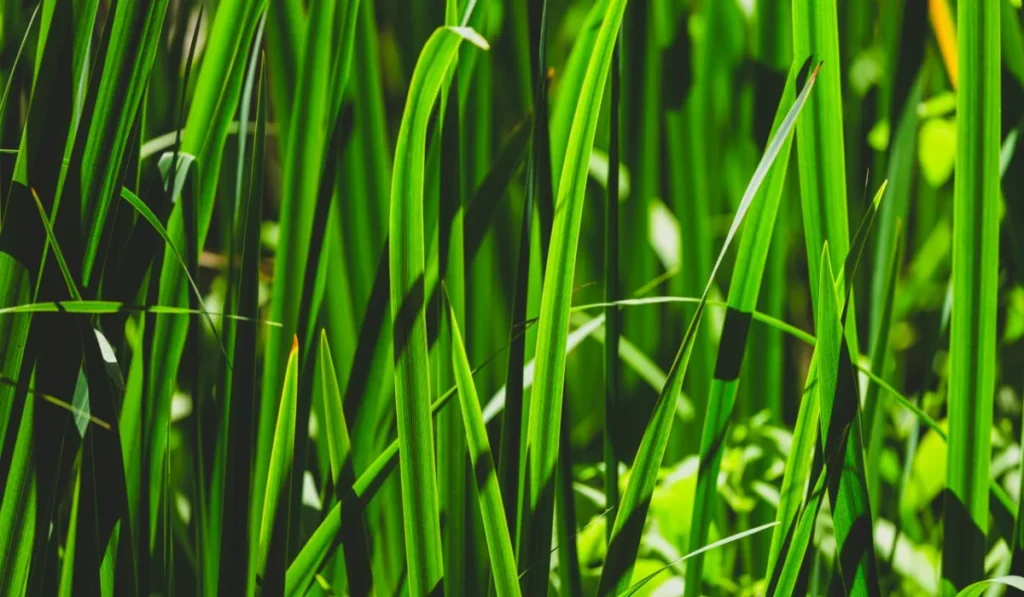
5. Jungle Vallisneria (Vallisneria americana)
- Growth Rate: Rapid runner production (1–2 new plants weekly)
- Placement: Background
- Lighting: Low to Moderate
- CO2 Requirement: None
Jungle Val produces ribbon-like leaves that can reach lengths of over 3 feet (1 meter), creating a tall grass canopy across the water surface. It reproduces aggressively via subterranean runners, quickly turning a bare background into a dense aquatic curtain.
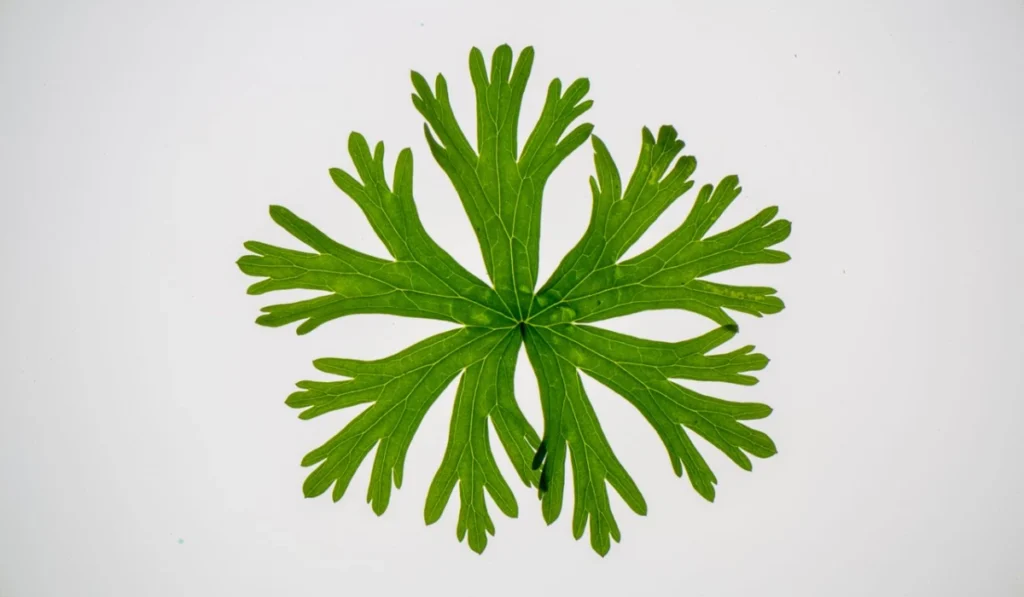
6. Water Sprite (Ceratopteris thalictroides)
- Growth Rate: 2–4 inches per week
- Placement: Background, Midground, or Floating
- Lighting: Moderate
- CO2 Requirement: None
Water Sprite is a versatile aquatic fern with delicate, branched fronds. When left floating, it produces adventitious daughter plantlets directly on older leaves, multiplying without requiring manual propagation.
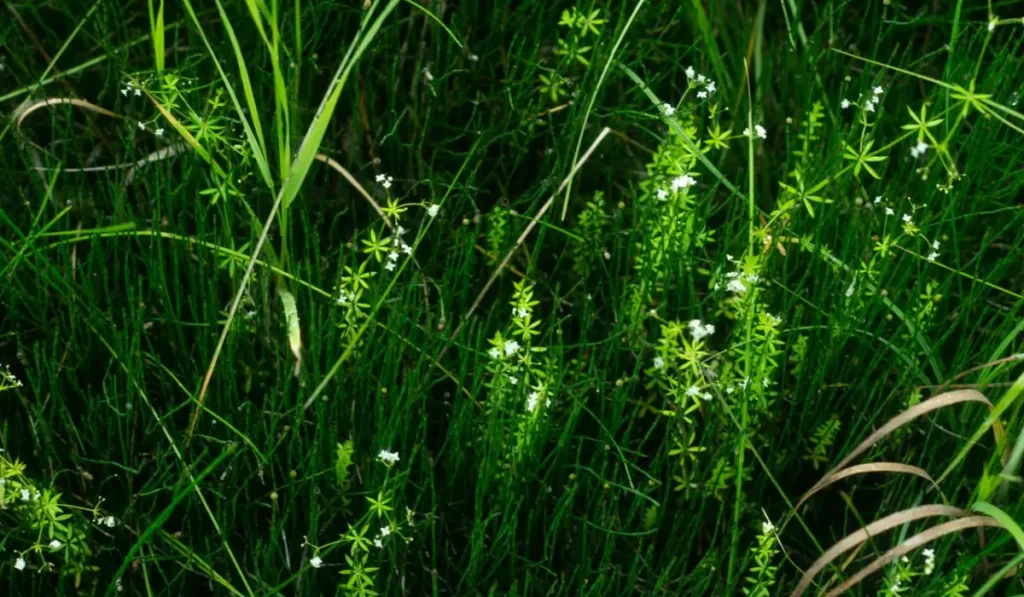
7. Guppy Grass (Najas guadalupensis)
- Growth Rate: 3–6 inches per week
- Placement: Floating or Anchored Mass
- Lighting: Low to High
- CO2 Requirement: None
Guppy Grass forms tangled, bright green thickets that serve as natural refuges for livebearer fry and dwarf shrimp. It absorbs excess nutrients directly from the water column and survives across extreme parameter fluctuations.
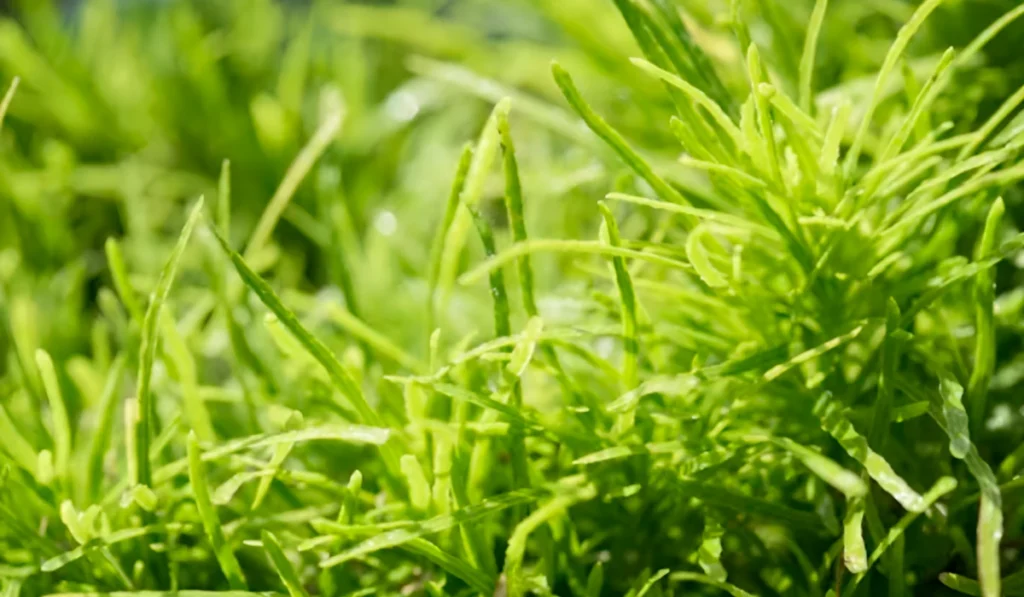
8. Dwarf Sagittaria (Sagittaria subulata)
- Growth Rate: Rapid runner carpet (spreads in 4–6 weeks)
- Placement: Foreground to Midground
- Lighting: Moderate to High
- CO2 Requirement: Low / None
If you want a lush foreground carpet without the expense of pressurized CO2 systems, Dwarf Sagittaria is the top candidate. It forms a durable, short grass bed by sending runners through the substrate.
9. Rotala rotundifolia
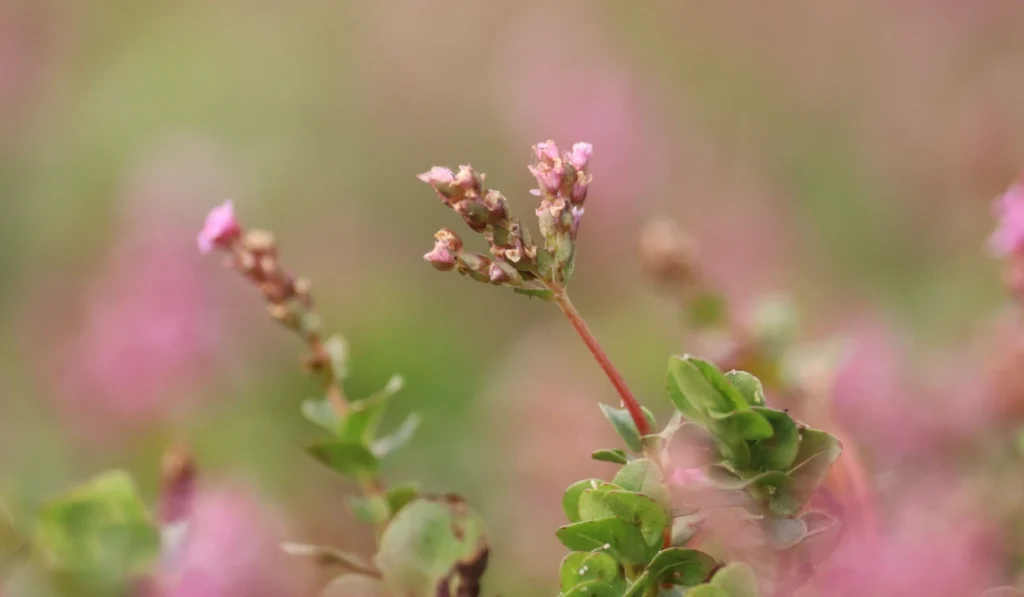
- Growth Rate: 1–3 inches per week
- Placement: Background
- Lighting: Moderate to High
- CO2 Requirement: Recommended for intense red coloration
A classic aquascaping stem plant that develops warm pink and orange tips under moderate to high lighting. Regular pruning encourages thick side-branching, producing dense, hedge-like bushes.
10. Salvinia minima (Water Spangles)
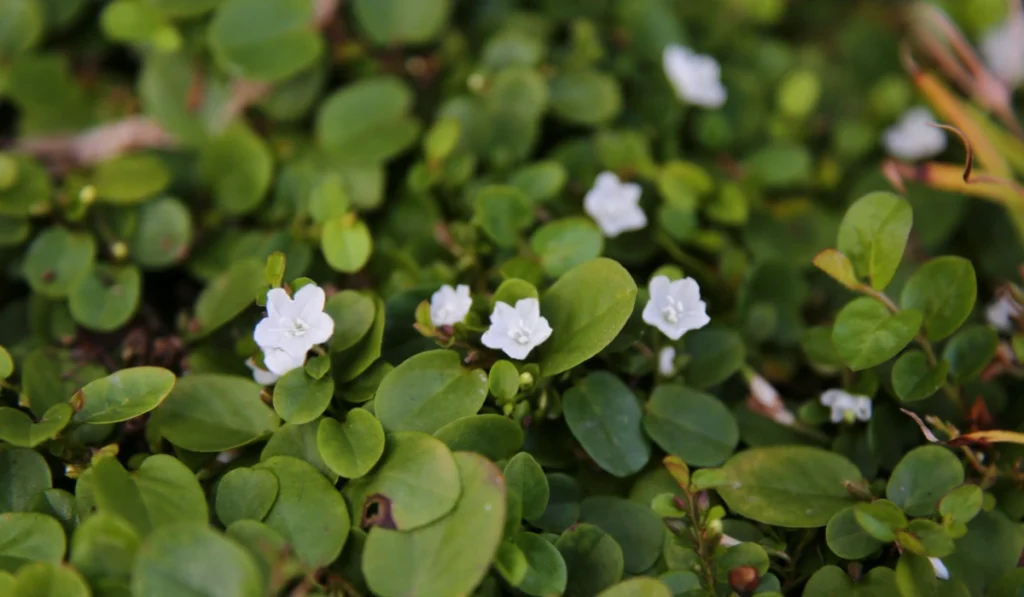
- Growth Rate: Multiplies surface area in 5–7 days
- Placement: Floating Surface
- Lighting: Low to Moderate
- CO2 Requirement: None
Salvinia features compact, hydrophobic leaves covered in fine hairs that prevent them from sinking. Its shorter root structure provides light diffusion without tangling in filter intakes or blocking the tank’s swimming lanes.
Quick Comparison Table
| Species | Plant Category | Tank Placement | Growth Rate | Primary Feeding Method |
| Hornwort | Stem / Floating | Surface or Background | Extremely Fast | Water Column |
| Water Wisteria | Stem | Midground / Background | Very Fast | Water Column & Roots |
| Anacharis | Stem | Background / Floating | Fast | Water Column |
| Amazon Frogbit | Floating | Water Surface | Extremely Fast | Water Column (Atmospheric CO2) |
| Jungle Vallisneria | Rosette / Runner | Background | Fast (Runners) | Root Feeder (Substrate) |
| Water Sprite | Fern | Midground / Floating | Very Fast | Water Column & Roots |
| Guppy Grass | Stem / Mass | Midground / Floating | Extremely Fast | Water Column |
| Dwarf Sagittaria | Rosette / Carpet | Foreground | Fast (Runners) | Root Feeder (Substrate) |
| Rotala rotundifolia | Stem | Background | Fast | Water Column & Substrate |
| Salvinia minima | Floating | Water Surface | Extremely Fast | Water Column (Atmospheric CO2) |
Care and Optimization Strategies
To keep fast growing aquarium plants healthy without triggering nutrient deficiencies or excessive melting:
- Balanced Light Intensity: Run modern LED aquarium fixtures for 6 to 8 hours daily on a consistent timer. Too much light without sufficient nutrients leads to green spot algae; too little light causes lower stem leaves to turn yellow and drop off.
- All-in-One Liquid Fertilizers: Because fast growers consume minerals at high rates, dose a comprehensive micro/macro liquid fertilizer (containing Nitrogen, Phosphorus, Potassium, Iron, and Magnesium) 1–2 times weekly.
- Root Tabs for Heavy Feeders: Species like Vallisneria and Dwarf Sagittaria pull a large share of their nutrients from the substrate. Insert nutrient-rich root tabs every 2 to 3 months near their root zones.
- Routine Pruning and Nutrient Export: Trim stem plants just above a leaf node once they reach the surface. Remove excess floating plants weekly. Discarding pruned biomass permanently removes absorbed nitrates and phosphates from your aquarium ecosystem.